
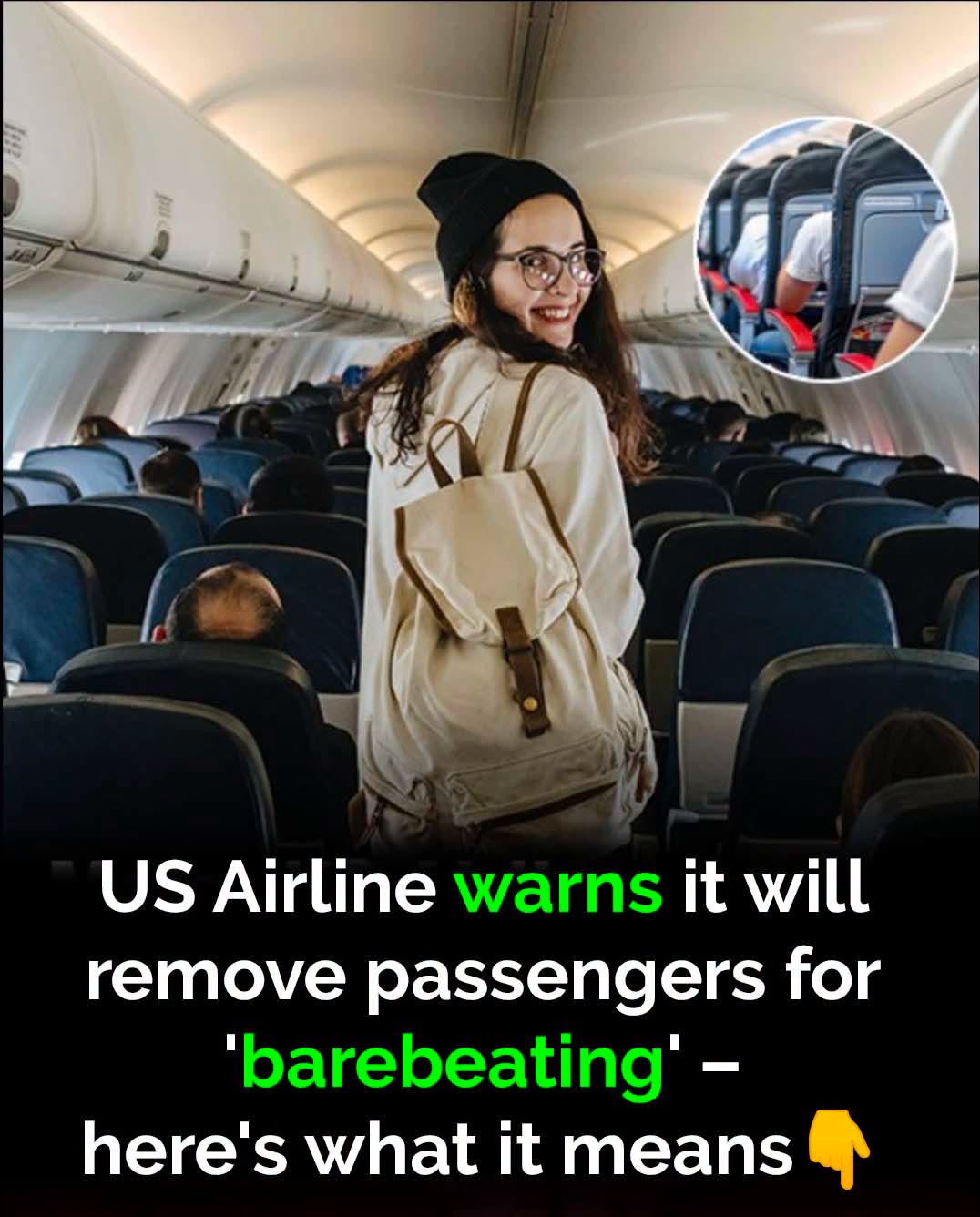
Air travel brings together hundreds of passengers in a shared space where comfort depends on mutual respect. While modern technology allows travelers to stream movies, play games, and listen to music throughout a flight, it has also introduced new challenges for maintaining a peaceful cabin environment.
One behavior that has increasingly drawn complaints is passengers playing audio through their device speakers instead of using headphones. The practice has even earned an informal nickname online: “barebeating.”
Recently, United Airlines updated its passenger policy to make its expectations clearer regarding personal audio devices. Here’s what the policy means, why it was introduced, and how travelers can help create a more enjoyable flying experience.
What Is “Barebeating”?
“Barebeating” is an informal internet term describing the act of playing audio from a phone, tablet, or laptop through built-in speakers in public spaces instead of using headphones.
Examples include:
Listening to music aloud
Watching videos without headphones
Playing games with sound enabled
Streaming movies through speakers
Participating in loud video content without personal audio devices
Although the term is relatively new, the behavior itself has become a common topic of discussion among frequent travelers.
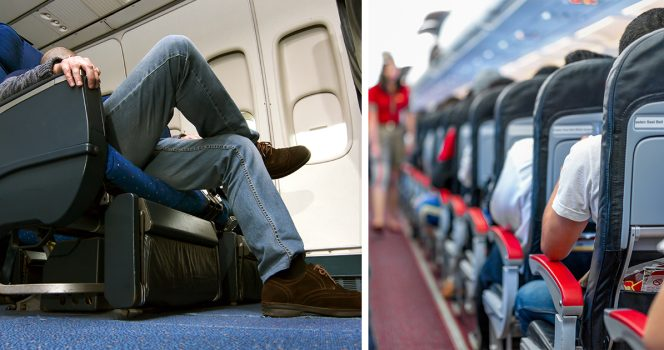
United Airlines Updates Its Policy
According to United Airlines, passengers are expected to use headphones when listening to personal audio or video content during flights.
The airline recently updated its Contract of Carriage, specifically within its Refusal of Transport policy, to make this expectation more explicit.
The policy states that disruptive behavior—including failing to use headphones while playing audio or video—may result in intervention by crew members. In some situations involving refusal to follow crew instructions or continued disruptive behavior, passengers may be removed from a flight in accordance with airline policies.
The clarification provides flight attendants with clearer guidance when addressing cabin disturbances.
Why the Rule Matters
Commercial aircraft are shared environments where hundreds of passengers may spend several hours in close proximity.
Many travelers use flights to:
Rest
Sleep
Work
Read
Watch movies quietly
Care for children
Unexpected noise can interrupt these activities and affect the overall travel experience.
Using headphones helps maintain a quieter cabin for everyone.
The Role of Flight Attendants
Flight attendants have many responsibilities beyond customer service.
Their duties include:
Passenger safety
Emergency preparedness
Cabin security
Regulatory compliance
Customer assistance
Managing onboard disruptions
Clear policies allow cabin crews to resolve issues consistently while focusing on their primary responsibility: passenger safety.
Why the Policy Was Clarified
United Airlines indicated that the expectation to use headphones already existed through onboard guidance and Wi-Fi usage reminders.
The updated wording simply makes the expectation easier for passengers to understand.
The timing also coincides with improvements in onboard internet connectivity, including expanded access to faster in-flight Wi-Fi services that make streaming media more common.
Improved Connectivity Means More Streaming
Modern aircraft increasingly offer high-speed internet services.
With improved connectivity, passengers can now:
Stream television programs
Watch online videos
Listen to music
Attend virtual meetings
Browse social media
Access cloud-based entertainment
As streaming becomes more common, clear etiquette regarding personal audio becomes increasingly important.
Public Reaction
Many travelers welcomed the clarification.
Online discussions have generally highlighted the importance of respecting shared public spaces.
Common opinions include:
Headphones should be standard courtesy.
Public speaker use can disturb nearby passengers.
Clear rules reduce unnecessary conflict between travelers.
Flight attendants should not have to repeatedly address avoidable issues.
Not everyone agrees on enforcement methods, but many support encouraging respectful behavior.
Traveling With Children
Families traveling with young children may face additional challenges during flights.
Experts generally recommend bringing:
Child-sized headphones
Downloaded entertainment
Quiet toys
Books
Coloring activities
Comfort items
Many children’s headphones are specifically designed with volume-limiting features to protect hearing while helping minimize cabin noise.
Tips for Being a Considerate Passenger
Simple habits can improve everyone’s travel experience.
Consider:
Using headphones whenever listening to audio.
Keeping headphone volume at a reasonable level.
Silencing notifications.
Speaking quietly during conversations.
Respecting personal space.
Following crew instructions promptly.
Small acts of courtesy contribute to a more pleasant environment for all passengers.
Understanding Airline Policies
Every airline establishes its own conditions of carriage.
These policies typically cover:
Safety requirements
Passenger conduct
Carry-on baggage
Seat assignments
Electronic device use
Crew instructions
Reviewing these policies before traveling can help avoid misunderstandings.
Why Cabin Etiquette Matters
Airplanes present unique challenges because passengers share limited personal space for extended periods.
Respectful behavior helps reduce stress and improves the travel experience.
Good etiquette benefits:
Families
Business travelers
Older adults
Passengers with sensory sensitivities
Crew members
Fellow vacationers
Courtesy remains one of the simplest ways to improve shared travel.
Looking Ahead
As onboard technology continues advancing, airlines may continue updating passenger policies to reflect changing travel habits.
Clear expectations regarding personal devices, connectivity, and cabin etiquette can help ensure that technological improvements enhance rather than disrupt the passenger experience.
Conclusion
United Airlines’ updated headphone policy reflects a growing emphasis on maintaining a comfortable and respectful cabin environment. While playing personal audio aloud may seem like a minor issue, it can significantly affect the experience of fellow travelers sharing the same space.
Using headphones, following crew instructions, and practicing considerate travel habits contribute to smoother flights for passengers and airline staff alike. As technology continues to make in-flight entertainment more accessible, simple acts of courtesy remain just as important as ever.
Human curiosity drives innovation in air travel, but thoughtful behavior ensures that these advancements benefit everyone on board.
Sources
United Airlines. Contract of Carriage and passenger policies.
Federal Aviation Administration (FAA). Passenger safety guidance.
Transportation Security Administration (TSA). Travel information and passenger resources.
International Air Transport Association (IATA). Passenger experience and airline operations.
NBC News. Reporting on United Airlines’ clarification regarding headphone use.
Disclaimer: Airline policies may change over time and may vary between carriers. Travelers should consult their airline’s current passenger policies before departure.