
Public figures often use their platforms to raise awareness about important health issues, and when they speak from personal experience, their message can resonate with millions of people.
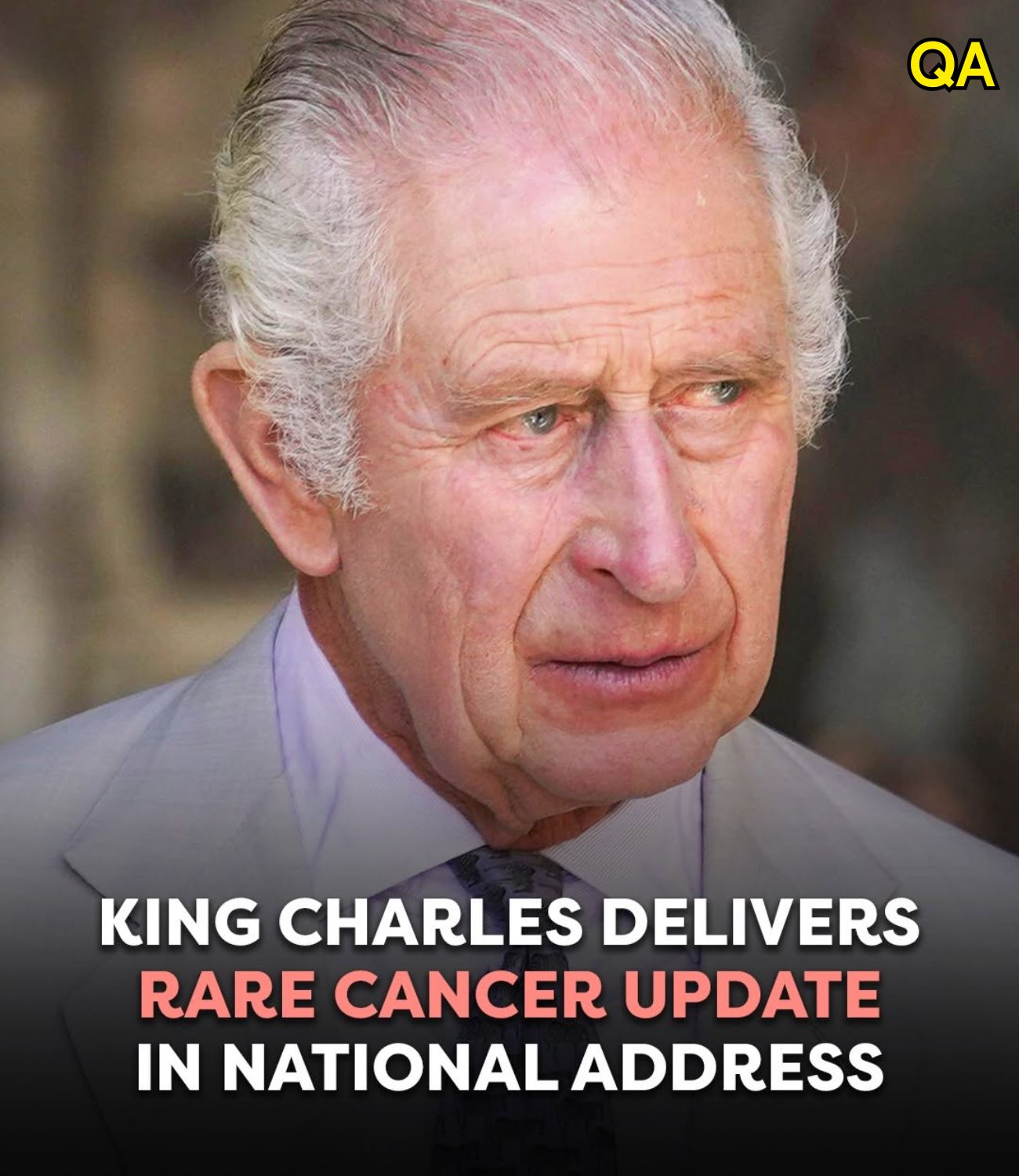
In a rare televised address, King Charles III shared an update on his ongoing cancer treatment while encouraging people across the United Kingdom to stay up to date with recommended cancer screenings. His remarks were delivered as part of the annual Stand Up To Cancer campaign, emphasizing not only his own recovery but also the life-saving value of early detection and continued medical care.
Rather than focusing solely on his personal journey, the King used the opportunity to highlight advances in modern cancer treatment and express gratitude to healthcare professionals, caregivers, and families supporting those affected by cancer.
King Charles’ Latest Health Update
During the televised address, King Charles acknowledged that receiving a cancer diagnosis can be an overwhelming experience.
He shared encouraging news by explaining that, following early diagnosis, effective treatment, and adherence to medical advice, his treatment schedule is expected to be reduced in the coming year.
The King described this milestone as both a personal blessing and an example of the progress made in cancer care over recent decades.
Although Buckingham Palace has previously confirmed that the King is receiving treatment for cancer, officials have not disclosed the specific type of cancer, and the Palace continues to respect his medical privacy.
The Importance of Early Detection
One of the central themes of the King’s address was the importance of regular cancer screening.
He noted that millions of people remain behind on recommended screening appointments, expressing concern that delayed screening may prevent some cancers from being detected at an earlier, more treatable stage.
Medical experts consistently emphasize that screening programs can identify certain cancers before symptoms appear or detect them when treatment is often more effective.
Depending on age, personal medical history, and national healthcare guidelines, screening programs may include examinations for breast, bowel, cervical, prostate, or other cancers.
Individuals should always discuss the most appropriate screening schedule with their healthcare provider.
Continuing Public Duties During Treatment
Throughout his treatment, King Charles has continued carrying out many of his official responsibilities.
While some engagements have been adjusted based on medical advice, he has remained active in public service, meeting with government officials, community organizations, and international leaders.
His continued public appearances have demonstrated a balance between maintaining official duties and prioritizing medical care.
Healthcare professionals often encourage people receiving treatment to remain engaged in meaningful activities whenever appropriate and approved by their medical team.
Support From the Royal Family
The past few years have presented significant health challenges for members of the Royal Family.
Prince William has previously spoken about the difficult period experienced by his family, emphasizing the importance of facing challenges together and maintaining open communication.
The Princess of Wales has also publicly shared updates about her own health journey, helping raise awareness about the experiences many families face when dealing with serious illnesses.
These public statements have encouraged conversations about emotional support, resilience, and the importance of seeking medical care.
Advances in Cancer Care
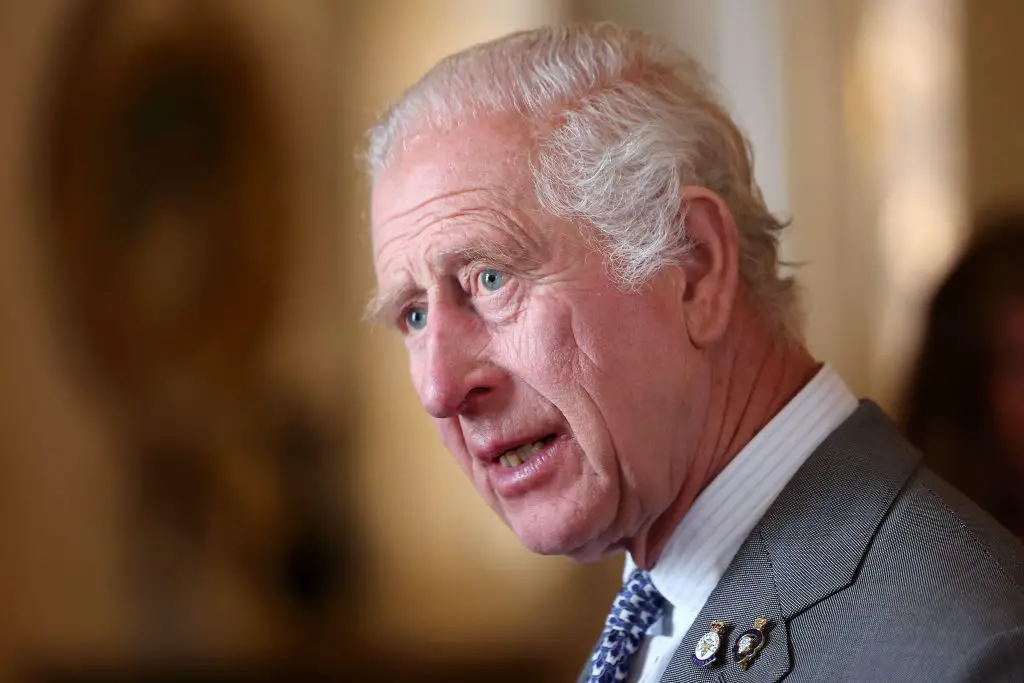
The King’s remarks also recognized the remarkable progress achieved in cancer diagnosis and treatment.
Modern cancer care has benefited from advances in several areas, including:
Earlier Detection
Improved screening programs allow many cancers to be identified sooner than in previous decades.
Precision Medicine
Some treatments can now be tailored to specific characteristics of a patient’s condition, helping doctors develop more individualized care plans.
Improved Imaging
Advanced imaging technologies assist physicians in evaluating conditions with greater accuracy.
Supportive Care
Comprehensive treatment increasingly includes nutritional guidance, rehabilitation, mental health support, and symptom management to improve overall quality of life.
Medical research continues to expand treatment options while improving long-term outcomes for many patients.
The Role of Screening Programs
Public health organizations encourage eligible individuals to participate in recommended cancer screening programs.
These screenings are designed for people who may feel completely healthy, as some conditions can develop without noticeable symptoms during their earliest stages.
Participation in screening does not guarantee that cancer will be prevented, but it can improve opportunities for early diagnosis and timely treatment when necessary.
Healthcare providers can explain which screening programs are appropriate based on individual risk factors.
Supporting Loved Ones During Treatment
A cancer diagnosis affects not only the individual but also family members, friends, and caregivers.
Support can take many forms, including:
- Accompanying someone to medical appointments.
- Helping with daily responsibilities.
- Providing emotional encouragement.
- Respecting the patient’s treatment decisions.
- Staying informed through reliable medical resources.
Strong support networks often play an important role throughout treatment and recovery.
Reliable Sources of Health Information
Because health information is widely shared online, experts recommend relying on trusted organizations when seeking medical guidance.
Examples include:
- National Health Service (NHS)
- Cancer Research UK
- World Health Organization (WHO)
- American Cancer Society
- National Cancer Institute
These organizations regularly update their recommendations based on the latest scientific evidence.
A Message of Hope
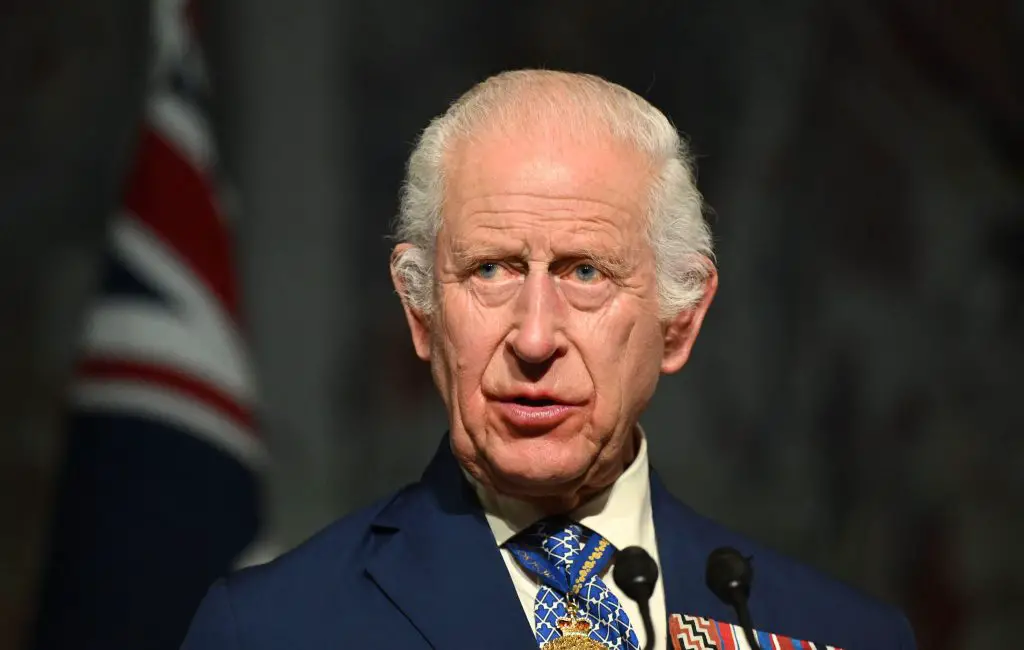
One of the most encouraging aspects of the King’s address was its focus on hope rather than fear.
By discussing advances in medical care and encouraging participation in screening programs, he emphasized practical steps that can improve health outcomes.
His experience also highlights the importance of following medical advice, attending regular appointments, and maintaining open communication with healthcare professionals.
Although every individual’s situation is unique, ongoing research continues to improve diagnosis, treatment, and supportive care for many people living with cancer.
Conclusion
King Charles’ rare public update provided reassurance about his own treatment while drawing attention to an issue that affects millions of families around the world. His message focused not only on personal progress but also on the broader importance of early diagnosis, medical research, and access to high-quality healthcare.
Cancer remains a complex group of diseases, but advances in science continue to expand treatment options and improve outcomes for many patients. Public awareness campaigns, regular screening, and informed healthcare decisions remain essential components of prevention and early intervention.
Human curiosity often encourages us to follow the personal stories of public figures, but the greatest value of these moments lies in the opportunity to learn. By understanding the importance of early detection and supporting continued medical research, individuals can make informed choices that contribute to healthier communities for everyone.

Sources
- IGV Official. King Charles Issues Rare Cancer Update in National Address.
- Cancer Research UK. Cancer Screening and Early Diagnosis.
- National Health Service (NHS). Cancer Screening Programmes.
- World Health Organization (WHO). Cancer Fact Sheets.
- Buckingham Palace. Official public statements regarding King Charles III’s health.