

Your body is always speaking—through fatigue, pain, skin changes, or even your mood. But in today’s fast-paced world, we often dismiss these warning signs as minor annoyances or stress-related quirks. The truth is, your body is highly intelligent and has built-in mechanisms to alert you when something’s wrong.
From subtle shifts to persistent symptoms, it’s essential to listen. Below are six key warning signs that your body may be sending when it’s in distress. Recognizing and addressing them early can prevent more serious health issues down the line.
1. Persistent Fatigue That Doesn’t Improve With Rest

We all get tired from time to time, especially after a poor night’s sleep or a hectic week. But if you find yourself constantly exhausted, even after adequate rest, it may be more than just stress.
Possible causes include:
-
Thyroid dysfunction (especially hypothyroidism)
-
Iron deficiency anemia
-
Chronic fatigue syndrome
-
Depression or mental burnout
-
Undiagnosed infections
Fatigue that lingers for weeks and affects your ability to perform daily tasks should never be ignored. It might be your body’s way of asking for more than just rest—it may need medical attention.
2. Unexplained Weight Loss or Gain

Weight fluctuations can occur naturally due to lifestyle changes or aging. However, sudden, unexplained weight loss or gain may point to underlying health concerns.
Warning causes to consider:
-
Hyperthyroidism or hypothyroidism
-
Diabetes
-
Hormonal imbalances
-
Digestive disorders (e.g., celiac disease, Crohn’s disease)
-
Cancer (in rare cases)
If you’re losing or gaining weight without changes in your diet or activity levels, don’t dismiss it. Track your symptoms and speak with a healthcare provider to rule out serious causes.
3. Skin Breakouts or Changes

Your skin is the largest organ in your body, and it often reflects internal health. That’s why sudden breakouts, rashes, discoloration, or persistent dryness can be signs of internal imbalances.
Skin warning signs may indicate:
-
Allergies or autoimmune reactions
-
Liver dysfunction (e.g., jaundice)
-
Hormonal disorders
-
Vitamin deficiencies (especially vitamin D, B12, or zinc)
For example, itchy or flaky skin might be more than dry air—it could be a symptom of eczema or a thyroid issue. Dark patches (hyperpigmentation), particularly around the neck or underarms, may signal insulin resistance or diabetes.
4. Digestive Irregularities
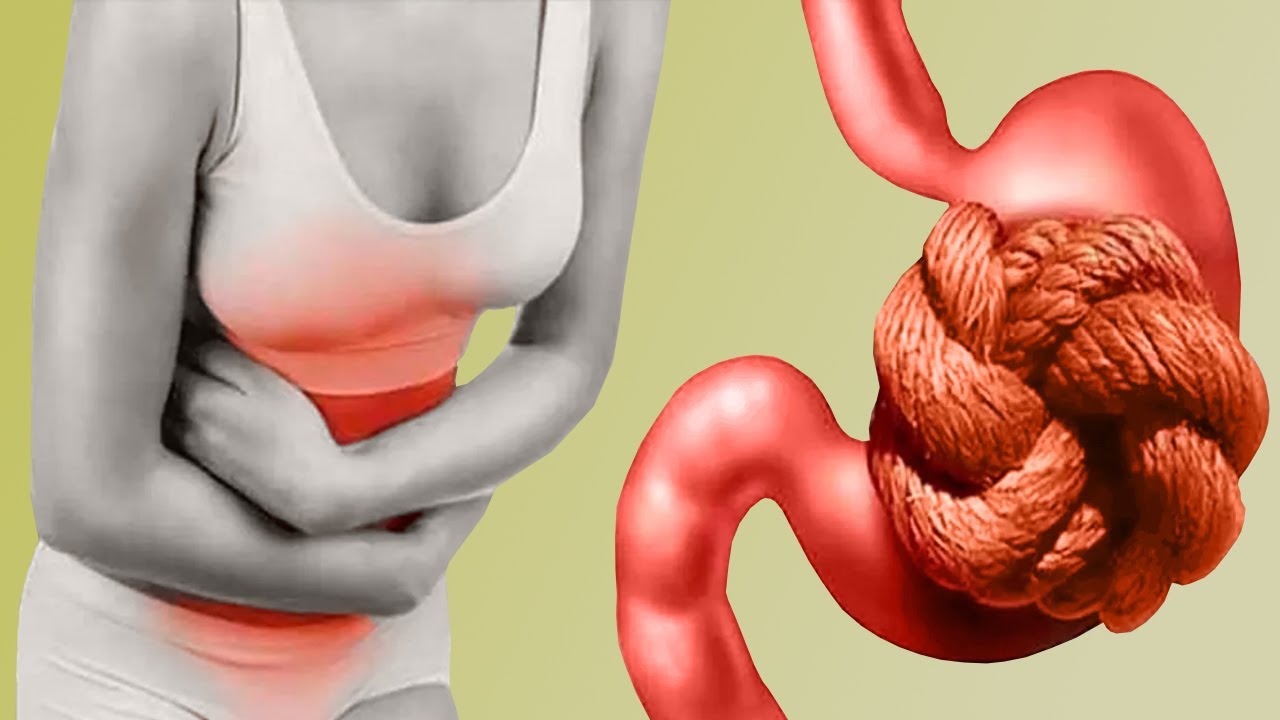
Your digestive system is directly linked to your immune and nervous systems. Therefore, persistent bloating, gas, constipation, diarrhea, or heartburn may indicate more than dietary slip-ups.
These symptoms can be linked to:
-
Food intolerances (e.g., lactose or gluten)
-
Irritable bowel syndrome (IBS)
-
Gut microbiome imbalance
-
Gallbladder or liver problems
Infrequent or painful bowel movements, especially if accompanied by blood or severe cramping, should always be discussed with a healthcare provider. Your gut health plays a crucial role in overall wellness.
5. Mood Swings, Anxiety, or Brain Fog

Mental and emotional well-being are deeply connected to physical health. If you’re experiencing frequent mood changes, irritability, difficulty concentrating, or memory lapses, your body may be signaling a deeper imbalance.
Underlying issues might include:
-
Blood sugar instability
-
Vitamin B12 or folate deficiency
-
Thyroid dysfunction
-
Perimenopause or other hormonal changes
-
Chronic stress or poor sleep hygiene
Don’t dismiss mental symptoms as purely psychological—your brain needs balanced nutrition, hormones, and rest to function properly. Even a magnesium deficiency can lead to anxiety or nervousness.
6. Shortness of Breath or Chest Discomfort
One of the most serious warning signs your body can send is difficulty breathing or tightness in the chest. While this may be caused by anxiety or poor fitness, it can also be a red flag for something more serious.
Potential causes include:
-
Cardiovascular disease
-
Asthma or chronic obstructive pulmonary disease (COPD)
-
Blood clots or pulmonary embolism
-
Anemia
-
Panic disorders
If you experience sudden chest pain, difficulty breathing, or pain radiating to the arms or jaw, seek emergency care immediately. These could be signs of a heart attack or other life-threatening condition.
When to See a Doctor

While some symptoms can be managed with rest, nutrition, and hydration, others require prompt medical attention. Always consult a doctor if:
-
Symptoms worsen or persist for more than a few weeks
-
They interfere with your daily life or sleep
-
You experience pain, bleeding, or neurological symptoms
-
Multiple symptoms occur at the same time without explanation
Trust your instincts—if something feels “off,” it probably is.
Final Thoughts
Our bodies are not machines that break down overnight. They whisper before they scream. Small symptoms—often dismissed—can evolve into major health issues if ignored. From fatigue and digestive troubles to brain fog and skin changes, your body is constantly trying to communicate.
The good news? You don’t have to wait for a health crisis. Listen, observe, and act early. Make routine check-ups part of your health plan, stay in tune with your physical and emotional well-being, and treat your body like the powerful communicator it is.