
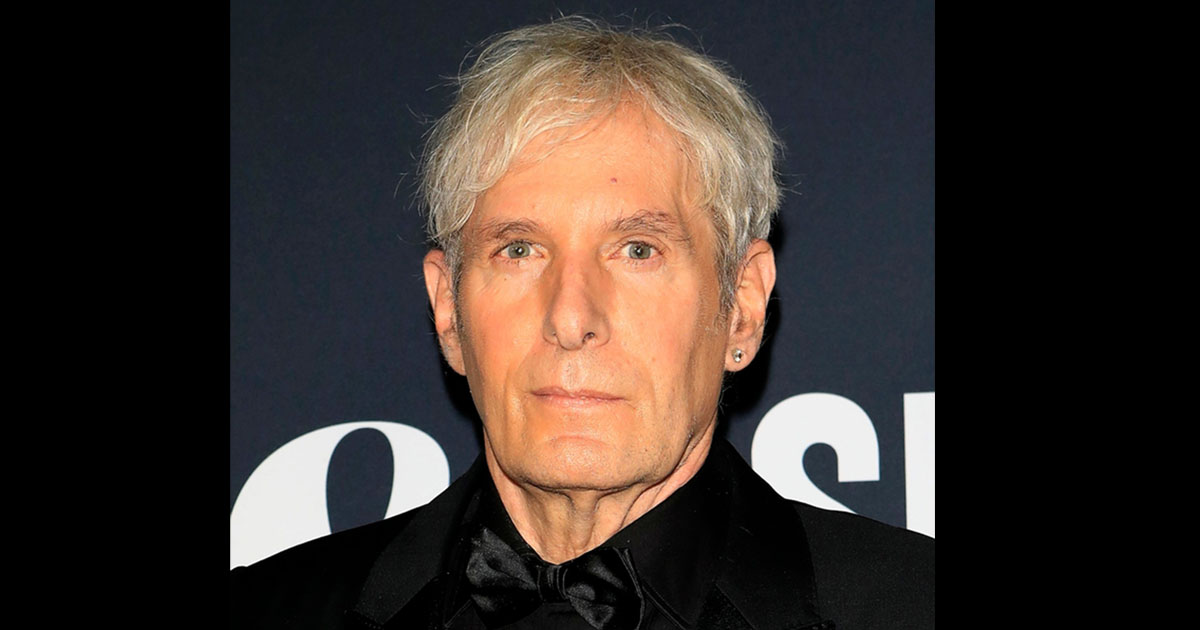
Michael Bolton, the iconic Grammy-winning singer known for his soulful ballads and enduring impact on pop and soft rock music, has recently shared a deeply personal health update. In January 2024, Bolton announced he had been diagnosed with glioblastoma, a rare and aggressive form of brain cancer. This disclosure marked a significant and emotional moment in his career, as he temporarily stepped away from public engagements to focus on recovery.
Backed by official statements and family interviews, Bolton’s journey through diagnosis, surgery, and treatment has shed light on the realities of battling glioblastoma, one of the most difficult cancers to treat. Here’s everything we know, sourced from Bolton himself and reputable medical institutions.
What Is Glioblastoma?
According to the Cleveland Clinic, glioblastoma multiforme (GBM) is the most aggressive type of cancer that begins in the brain. It accounts for nearly 48% of all malignant brain tumors, typically arising from astrocytes—supportive cells in the brain.
“Glioblastoma grows and spreads quickly. It can invade nearby brain tissue, making it difficult to remove entirely during surgery,” the Cleveland Clinic explains.
Source: Cleveland Clinic – Glioblastoma Overview
GBM commonly affects adults between 45 and 70 years of age. Symptoms often include:
- Persistent headaches
- Memory loss or cognitive decline
- Speech difficulty
- Seizures
- Nausea and vomiting
- Balance and coordination issues
Despite being one of the most researched brain cancers, there is currently no cure. Treatments typically focus on extending quality of life through surgery, radiation therapy, and chemotherapy.
Michael Bolton’s Initial Symptoms and Diagnosis
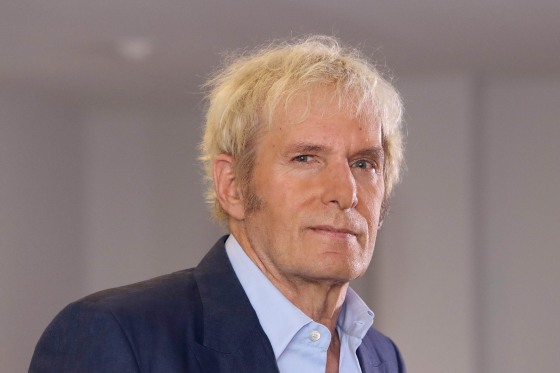
Bolton’s daughter, Taryn Bolton, spoke publicly in April 2025 about the first signs of her father’s condition. According to an interview published by People Magazine, she described how unusual behavior around Thanksgiving 2023 raised red flags. During a family bowling event, Bolton began acting out of character by bowling out of turn and showing signs of imbalance. Earlier that day, he had also fallen from a chair—a moment the family found troubling.
“He’s athletic. He doesn’t drink. So, when he fell and started acting off, we were all really concerned,” Taryn told People.
Source: People – Michael Bolton Diagnosed with Brain Cancer
In the following days, Bolton experienced a severe headache that prompted a hospital visit. After undergoing an MRI scan, doctors discovered a brain tumor. The tumor was removed surgically soon after. A week later, pathology confirmed it was glioblastoma.
Public Announcement and Temporary Hiatus
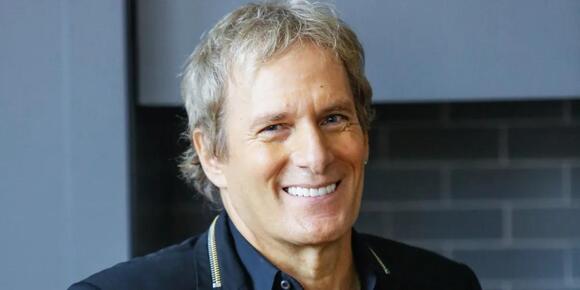
On January 5, 2024, Michael Bolton shared an emotional message with fans via his official social media channels. He revealed his diagnosis and explained the need for an immediate break from his career to focus on post-surgical recovery and ongoing treatment.
“I want to thank you for the love and support you’ve shown me over the years,” Bolton said. “I’ll be taking a temporary break from touring and performing, but I look forward to returning once I regain strength.”
Source: Michael Bolton Official Instagram
The announcement prompted an outpouring of support from fans, fellow musicians, and celebrities. Many praised his courage and expressed admiration for his openness in the face of a daunting diagnosis.
Impact of Treatment on Michael Bolton’s Life
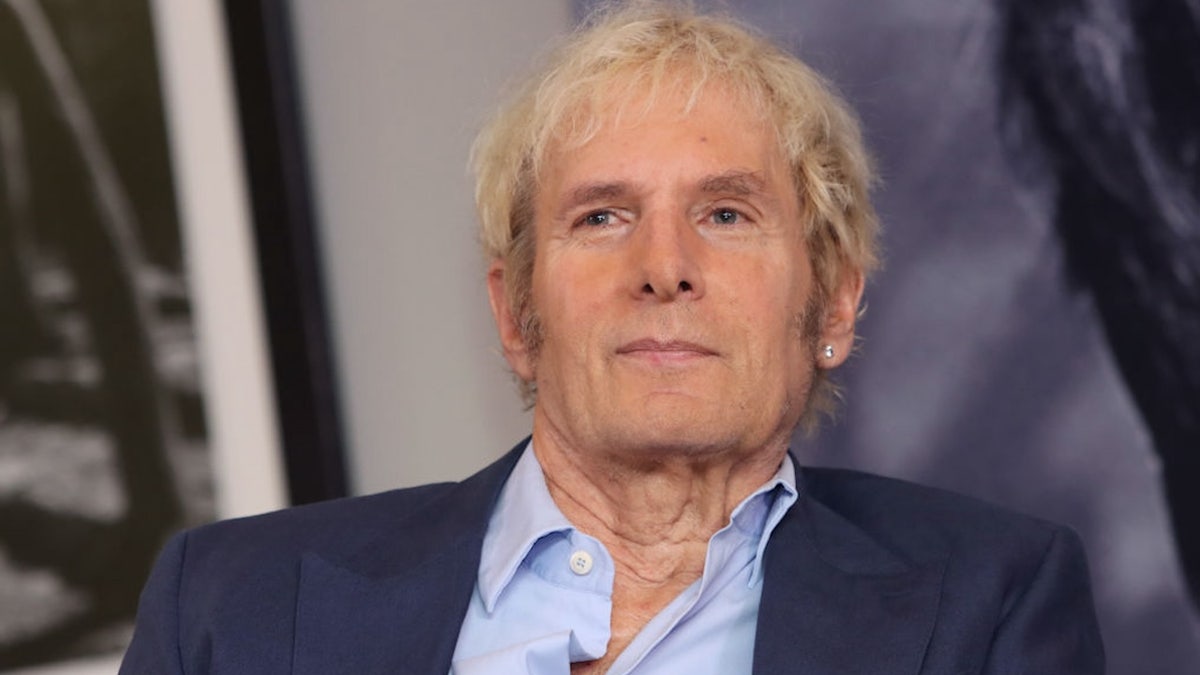
In subsequent interviews, Bolton candidly shared how the diagnosis has affected his physical and cognitive abilities. He described challenges with memory, speech, and mobility—common side effects of both the tumor and the treatments that followed.
Despite the difficulties, Bolton maintains a positive outlook.
“Succumbing to the challenge is not an option,” he told People Magazine. “You find out what you’re made of when you’re in a fight like this. And I’m fighting.”
Source: People – Michael Bolton Speaks on His Diagnosis
His daughters—Taryn, Holly, and Isa—have played a significant role in his support system. Holly recalled a moment when, after surgery, Bolton began singing to the nurses. A staff member who didn’t know his identity remarked on how good his voice was, highlighting Bolton’s resilience and passion even in recovery.

Glioblastoma Treatment and Prognosis
There is no definitive cure for glioblastoma. According to the National Cancer Institute, the standard treatment includes:
- Maximal surgical resection: Removing as much of the tumor as possible
- Radiotherapy: Often administered over 6 weeks
- Temozolomide (chemotherapy): A drug taken alongside radiation
- Tumor-Treating Fields (TTF): A non-invasive treatment using electric fields to disrupt cancer cell division
Source: National Cancer Institute – Glioblastoma Treatment
The median survival rate for glioblastoma is approximately 15 months after diagnosis, but this can vary significantly depending on factors like age, tumor location, and responsiveness to treatment. Some patients live longer with a good quality of life when treatment is aggressive and initiated early.
Bolton’s Gratitude Toward Fans and Community
Throughout this period, Bolton has remained engaged with fans and supporters via digital platforms. He has emphasized how their encouragement has been instrumental in maintaining his fighting spirit.
“I’ve drawn strength from your messages, your prayers, and your belief in me,” he wrote in a follow-up post. “Every note and every word of support helps me move forward.”
Source: Michael Bolton Facebook
His team has confirmed that while Bolton is not currently touring, he remains committed to his music and plans to return when his health allows.

Raising Awareness About Brain Cancer
Bolton’s story has shined a spotlight on glioblastoma and the urgent need for research funding and public education. Organizations like the National Brain Tumor Society and American Brain Tumor Association advocate for better treatments, early detection methods, and patient support services.
To support brain cancer awareness and research, individuals can visit:
- National Brain Tumor Society
- American Brain Tumor Association
These organizations provide resources for patients, families, and caregivers dealing with glioblastoma and other neurological conditions.

Conclusion
Michael Bolton’s journey through his glioblastoma diagnosis reveals the strength, determination, and hope of one of music’s most cherished voices. His decision to share his experience publicly not only fosters greater understanding of this aggressive disease but also encourages others facing similar battles to seek support and maintain resilience.
With his loving family, committed medical team, and a global fanbase standing by him, Bolton continues to inspire through his music and his unwavering will to heal. While he may be away from the stage for now, the love and admiration for his talent and bravery remain stronger than ever.
Sources
- Cleveland Clinic – Glioblastoma Overview
- National Cancer Institute – Brain Tumor Treatment
- People Magazine – Michael Bolton Diagnosis Interview
- Michael Bolton Instagram
- National Brain Tumor Society
- American Brain Tumor Association