
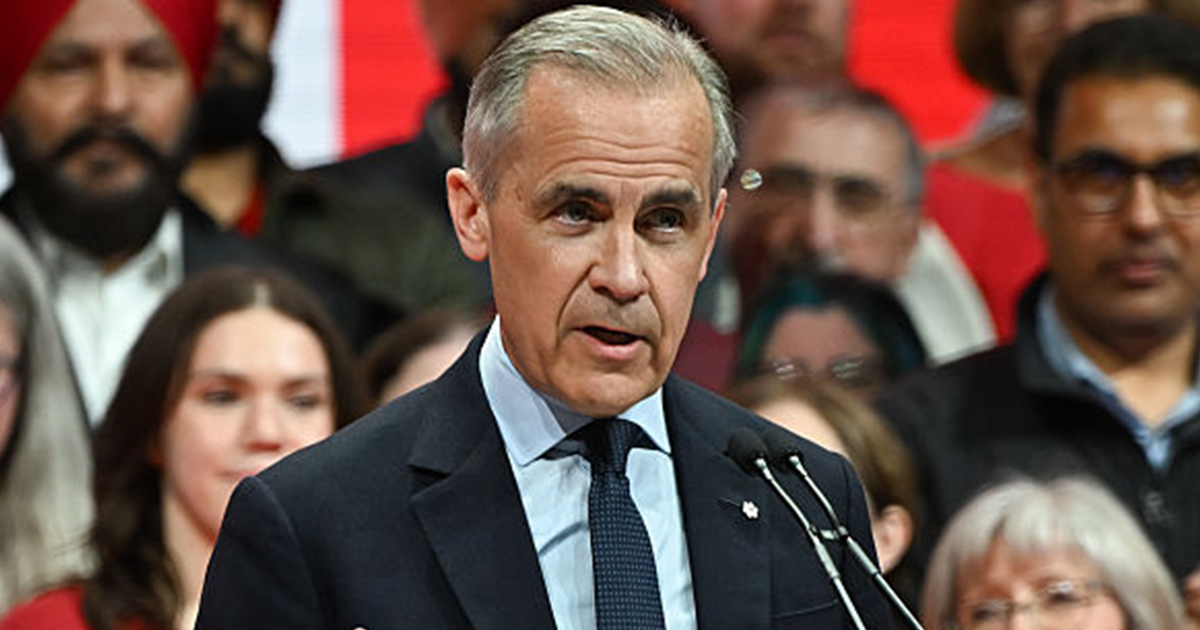
In a historic political development, Mark Carney, a former central banker with international recognition, has officially assumed the role of Prime Minister of Canada. His appointment follows a decisive election win by the Liberal Party, signaling a new chapter in Canadian leadership. In his first address as Prime Minister, Carney prioritized themes of national sovereignty, economic self-reliance, and constructive global engagement.
Who Is Mark Carney? From Central Banking to Political Leadership
Mark Carney is widely known for his previous roles as Governor of the Bank of Canada and Governor of the Bank of England, where he was instrumental in navigating the global financial crisis. He also championed climate-related financial disclosures, earning him respect across both financial and policy-making sectors.
In 2024, Carney officially entered politics by joining the Liberal Party of Canada, succeeding Justin Trudeau as party leader. His leadership platform focused on fiscal discipline, climate action, and a renewed economic strategy, which resonated strongly with Canadian voters seeking a change in direction.
Source: The Globe and Mail – Carney Wins Leadership Election

Carney’s Victory Speech Emphasizes Sovereignty and Global Responsibility
Delivering his first speech in Ottawa, Prime Minister Carney addressed a range of domestic and international issues. He highlighted the importance of economic stability, technological innovation, and strategic alliances to secure Canada’s future in an evolving global landscape.
“Canada’s prosperity will be built on our values, innovation, and partnerships—not dependency,” Carney stated.
Although he avoided referencing any specific international leaders, Carney’s message reaffirmed Canada’s role as an independent and engaged nation.
Source: CBC News – Carney Victory Speech
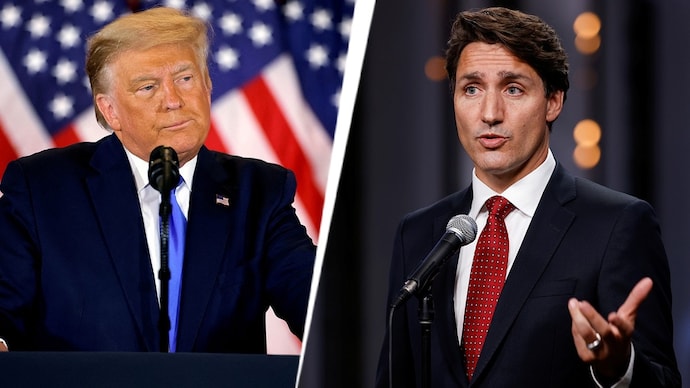
U.S.-Canada Relations: A Commitment to Continued Cooperation
Despite occasional differences in policy approaches, the U.S.-Canada relationship remains one of the strongest bilateral partnerships globally. According to the Office of the United States Trade Representative (USTR), over $2 billion USD in goods and services cross the U.S.-Canada border each day.
The two nations continue to collaborate through multiple forums, including:
- The Canada–U.S. Partnership Forum
- The Five Eyes Intelligence Alliance
- The USMCA trade agreement
Carney reaffirmed Canada’s dedication to respectful and productive international relationships, including with the United States.
Source: USTR – Canada Trade Fact Sheet
Addressing Misinformation: No U.S. Plans Involving Canadian Sovereignty
In the lead-up to the federal election, social media posts falsely claimed that the U.S. government was considering incorporating Canada as its 51st state. However, these assertions have been debunked by credible fact-checking outlets.
“There is no evidence or official statement supporting such claims,” according to Reuters and Snopes, which labeled them as satire or misinformation with no basis in policy or reality.
The Canadian government has not commented on these rumors, instead continuing to focus on maintaining constitutional governance and protecting national sovereignty.
Source: Reuters Fact Check – No U.S. Plan to Annex Canada

Domestic Policy: Economic Growth, Technology, and Resilience
Prime Minister Carney outlined his administration’s key economic goals, which include:
- Boosting Canadian manufacturing and clean energy production
- Supporting AI and green technology innovation
- Strengthening national supply chains
- Encouraging support for local agriculture and natural resource sectors
He urged Canadians to prioritize domestic goods and services as a way to reinforce the national economy amid global disruptions and post-pandemic recovery.
Source: Statistics Canada – Voter Turnout Trends
Encouraging Unity and Strengthening Democratic Institutions
Carney’s speech emphasized national unity, calling on Canadians to work together through shared values of inclusion, resilience, and mutual support.
“In the face of challenges, we must take care of each other—this is the Canadian way,” he noted.
He also stressed the importance of protecting Canada’s democratic institutions, including the rule of law, press freedom, and free and fair elections.
Source: CBC News – Carney Victory Speech

Canada’s Role on the Global Stage
As Prime Minister, Carney is expected to continue Canada’s engagement in global initiatives such as:
- The G7
- The United Nations
- The World Trade Organization (WTO)
- The Paris Climate Agreement
Carney’s prior experience with global financial institutions, including the Financial Stability Board (FSB) and the Bank for International Settlements (BIS), positions him to play a meaningful role in shaping multilateral cooperation and sustainable development policies.
Source: Bank of Canada – Carney’s Legacy
Conclusion
Mark Carney’s inauguration as Canada’s new Prime Minister marks the beginning of a policy-forward, economically grounded, and globally responsible era. With a background in financial leadership and a platform focused on unity, innovation, and diplomacy, Carney’s government aims to navigate both domestic priorities and international challenges effectively.
His speech emphasized evidence-based governance, partnership-building, and a steadfast commitment to Canada’s democratic and economic sovereignty—core values that are likely to define his administration in the years ahead.
Sources
- CBC News – Carney Elected
- The Globe and Mail – Carney Leadership Victory
- USTR – Canada Trade Statistics
- Reuters Fact Check – No U.S. Takeover Proposal
- Statistics Canada – Election Participation
- Bank of Canada – Carney’s Tenure and Influence