
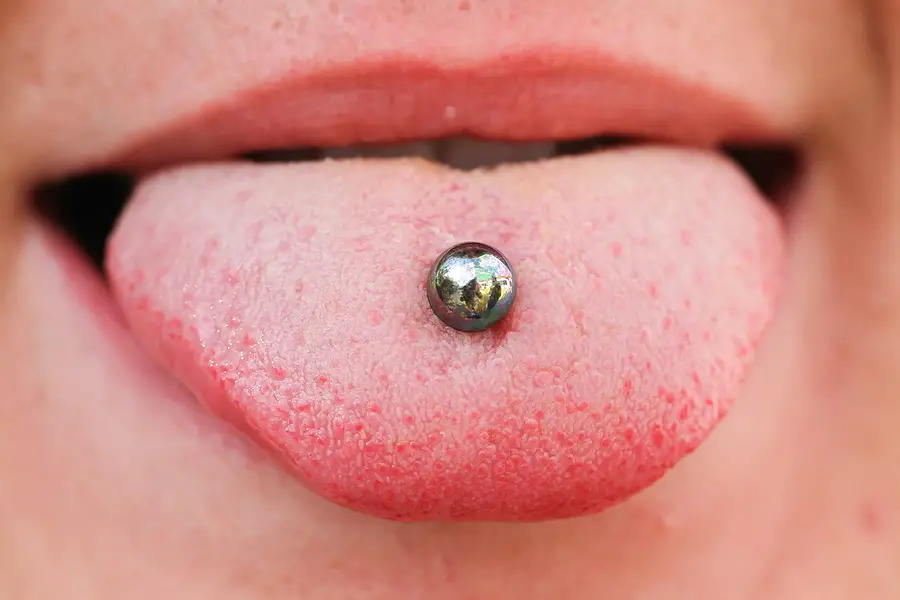
Tongue piercings are often dismissed as nothing more than edgy fashion statements. To many, they fall in the same category as bold hair colors, tattoos, or nose rings—outward expressions of personal style. But beneath the surface, the reasons why people get their tongues pierced are far more layered than they seem.
From ancient ritualistic practices to deeply personal motivations in the modern age, tongue piercings carry meanings that go far beyond appearance. So, what truly drives someone to pierce one of the most sensitive parts of their body?
Ancient Roots: A Sacred Symbol in History
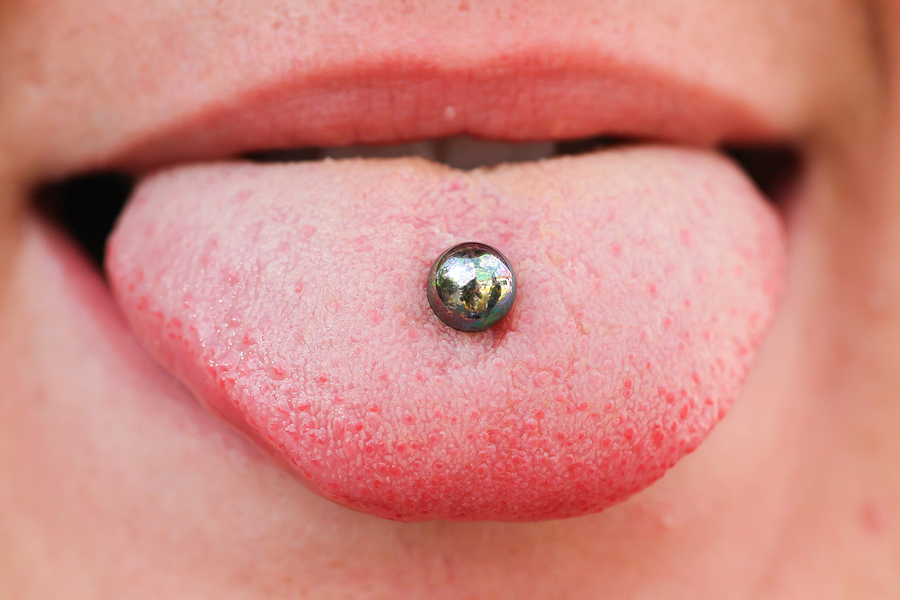
The practice of tongue piercing is not a modern phenomenon. It dates back thousands of years, with some of its earliest documented use in ancient Mesoamerican civilizations.
Among the Aztecs and Mayans, tongue piercing was a spiritual act. Priests and warriors would pierce their tongues as a ritual of sacrifice or a gateway to the divine. Bloodletting was believed to offer a direct connection to the gods, and pain was a price paid for transcendence.
In these contexts, tongue piercings were never about aesthetics. They symbolized faith, strength, and spiritual devotion.
Today’s Meanings: A Deeper Form of Expression

Modern-day tongue piercings no longer hold the same religious implications, but they still speak volumes about the people who choose them. Here are some of the most common—and often overlapping—reasons:
1. Personal Expression and Identity
At its core, body modification is a tool for self-expression. For many individuals, a tongue piercing is a subtle but powerful way to say, “This is who I am.” It may not be as visible as a tattoo or facial piercing, but that’s part of its allure—deeply personal, yet occasionally shared.
People use piercings as a form of self-definition. It’s less about standing out and more about feeling authentic.
2. Rebellion and Nonconformity
While not always the case, some view their piercing as an act of defiance against cultural norms, expectations, or parental pressures. It becomes a symbol of independence—an assertion of control over one’s body and identity.
But unlike loud or aggressive rebellion, a tongue piercing can be subtle. It’s a private act of resistance that doesn’t always demand public attention.
3. Sensory and Physical Connection
Interestingly, some people cite sensory reasons for getting their tongues pierced. The metal against the tongue adds a unique physical sensation—one that some describe as grounding or comforting. Others mention that it enhances their awareness of the body, creating a strange but satisfying connection between mind and matter.
4. Subcultural Belonging
In various subcultures—such as punk, goth, LGBTQ+, and other alternative communities—tongue piercings (along with other body mods) often carry shared meaning. Within these groups, the piercing can act as a quiet sign of belonging. It says, “I see you, and I’m one of you,” without saying a word.
5. Aesthetic and Sensual Appeal
There’s no denying that tongue piercings have a visual and sensual element. For some, it’s about enhancing their look. For others, it may be tied to romantic or intimate preferences. However, it’s important to avoid assuming everyone with a tongue piercing has the same motivations—appearance is just one possible piece of the puzzle.
Health Considerations: What You Need to Know

Tongue piercings are not without risks. Because the mouth harbors significant bacteria, infections are a primary concern—especially in the early healing phase.
Key aftercare steps include:
-
Rinsing with alcohol-free mouthwash after meals
-
Avoiding spicy, hot, or sticky foods initially
-
Refraining from touching or playing with the piercing
-
Following all professional aftercare guidelines
Healing typically takes four to six weeks, though it can vary by person. Skipping aftercare instructions may lead to swelling, nerve damage, or even permanent scarring.
What a Tongue Piercing Might Really Mean

For those who choose this form of body art, the motivations often come from a place of reflection. While the reasons vary widely, they tend to revolve around a few core themes:
-
Empowerment: Taking ownership of one’s body.
-
Authenticity: Living in alignment with personal identity.
-
Expression: Communicating something inward through an outward act.
-
Belonging: Signaling connection with a larger community or subculture.
-
Freedom: Making a choice that defies societal norms.
And of course, for some, the answer is simpler: “I just like how it looks.”
Final Thoughts
Tongue piercings, like many body modifications, reflect a blend of history, identity, and intention. Whether spiritual, cultural, emotional, or purely aesthetic, this small act of piercing often carries a story far more meaningful than outsiders assume.
As with any body modification, what matters most is that the choice comes from the individual—because in the end, it’s not about what the piercing says to the world, but what it says to the person wearing it.
Sources:
-
Body Modification E-zine (BME)
-
American Dental Association
-
Healthline: Risks of Oral Piercings
-
Encyclopedia of Body Adornment by Margo DeMello