
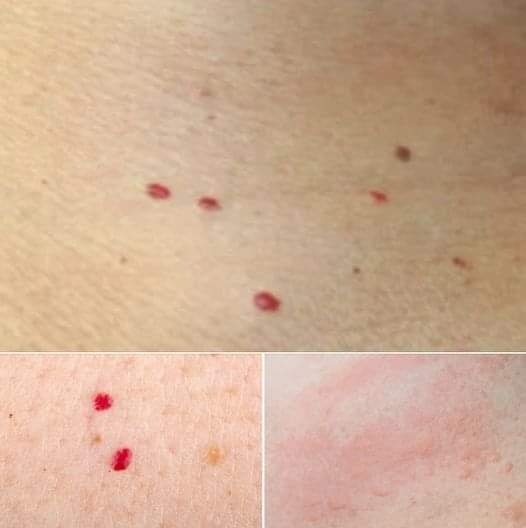
If you’ve ever noticed unfamiliar red dots on your skin, you’re not alone. These small spots can appear unexpectedly, and while many are harmless, others may indicate underlying health issues that require attention. Understanding the possible causes can help you determine when to monitor the condition or seek medical advice.
This comprehensive guide explores the most common reasons for red dots on the skin, how to identify them, and when it’s time to speak with a healthcare provider.
What Are These Red Dots?

Red dots on the skin can vary in size, color intensity, and texture. Some are flat, while others are raised. They may appear in isolated patches or as clusters, and can range from barely noticeable to painfully itchy. Importantly, the cause behind these marks can be as mild as heat exposure or as serious as a blood disorder.
Let’s look at some of the most common conditions associated with red dots on the skin.
1. Petechiae and Purpura
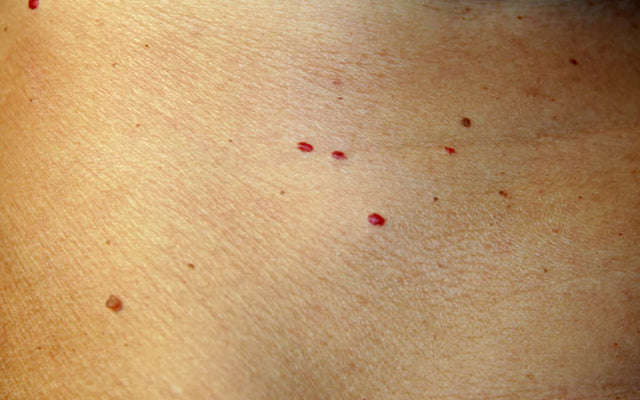
Petechiae are tiny, pinpoint-sized red or purple dots that form due to bleeding under the skin. Purpura are similar but slightly larger. These spots occur when small blood vessels, or capillaries, break and leak blood into the skin.
Common Causes:
-
Physical strain (e.g., intense coughing or vomiting)
-
Certain medications (like blood thinners)
-
Infections
-
Autoimmune conditions or blood disorders
Petechiae may signal something as minor as a temporary strain, but they can also indicate conditions such as thrombocytopenia or leukemia. If the dots persist or are accompanied by other symptoms like fever or fatigue, seek medical evaluation immediately.
2. Cherry Angiomas
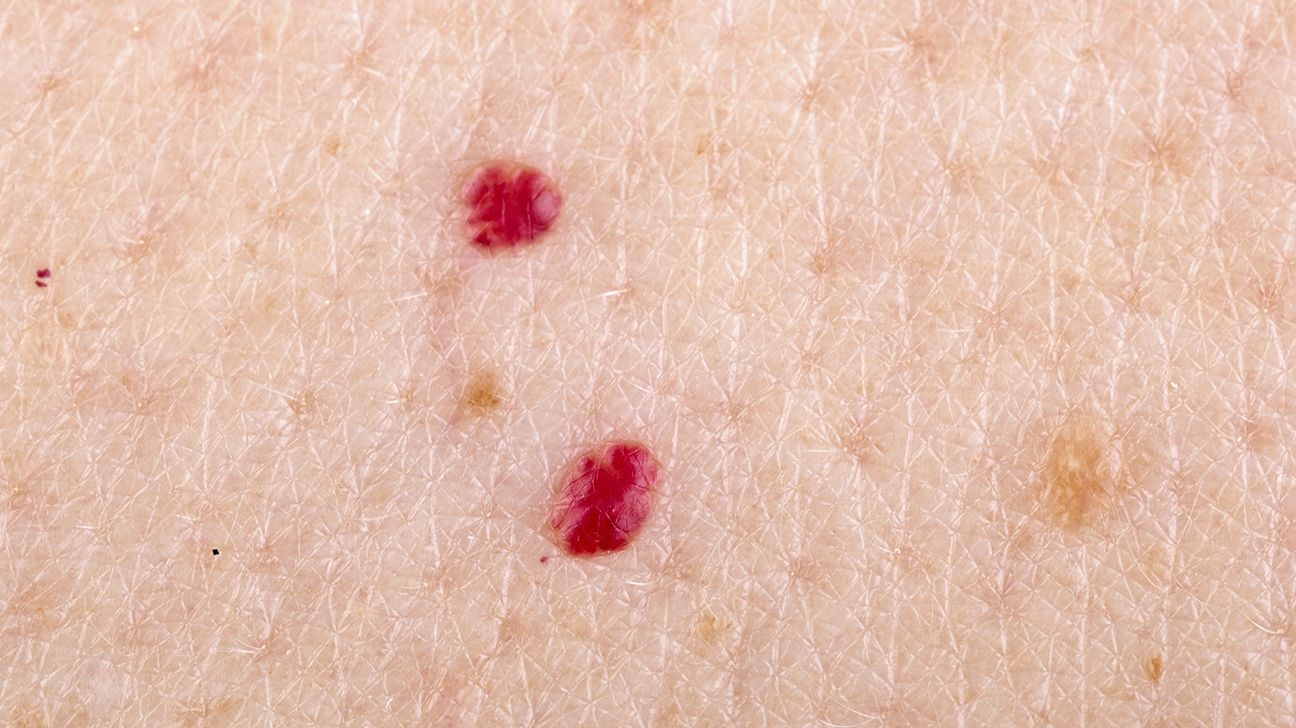
Cherry angiomas are small, bright red skin growths made up of blood vessels. They are usually round, smooth, and appear most frequently on the torso, arms, and shoulders.
Key Facts:
-
Non-cancerous
-
More common with aging
-
Usually harmless and do not require treatment
They can be removed for cosmetic reasons using laser therapy or cryotherapy, but they are not dangerous unless they change in size or bleed persistently.
3. Heat Rash (Miliaria)

Heat rash occurs when sweat becomes trapped in blocked pores, typically in hot and humid environments. The result is small red dots or bumps, often accompanied by itching or a prickling sensation.
Typical Areas Affected:
-
Neck
-
Back
-
Chest
-
Groin
-
Under the breasts or armpits
How to Treat:
-
Stay cool and dry
-
Wear loose, breathable clothing
-
Avoid heavy lotions that can clog pores
Heat rash is usually temporary and improves with environmental changes.
4. Allergic Reactions
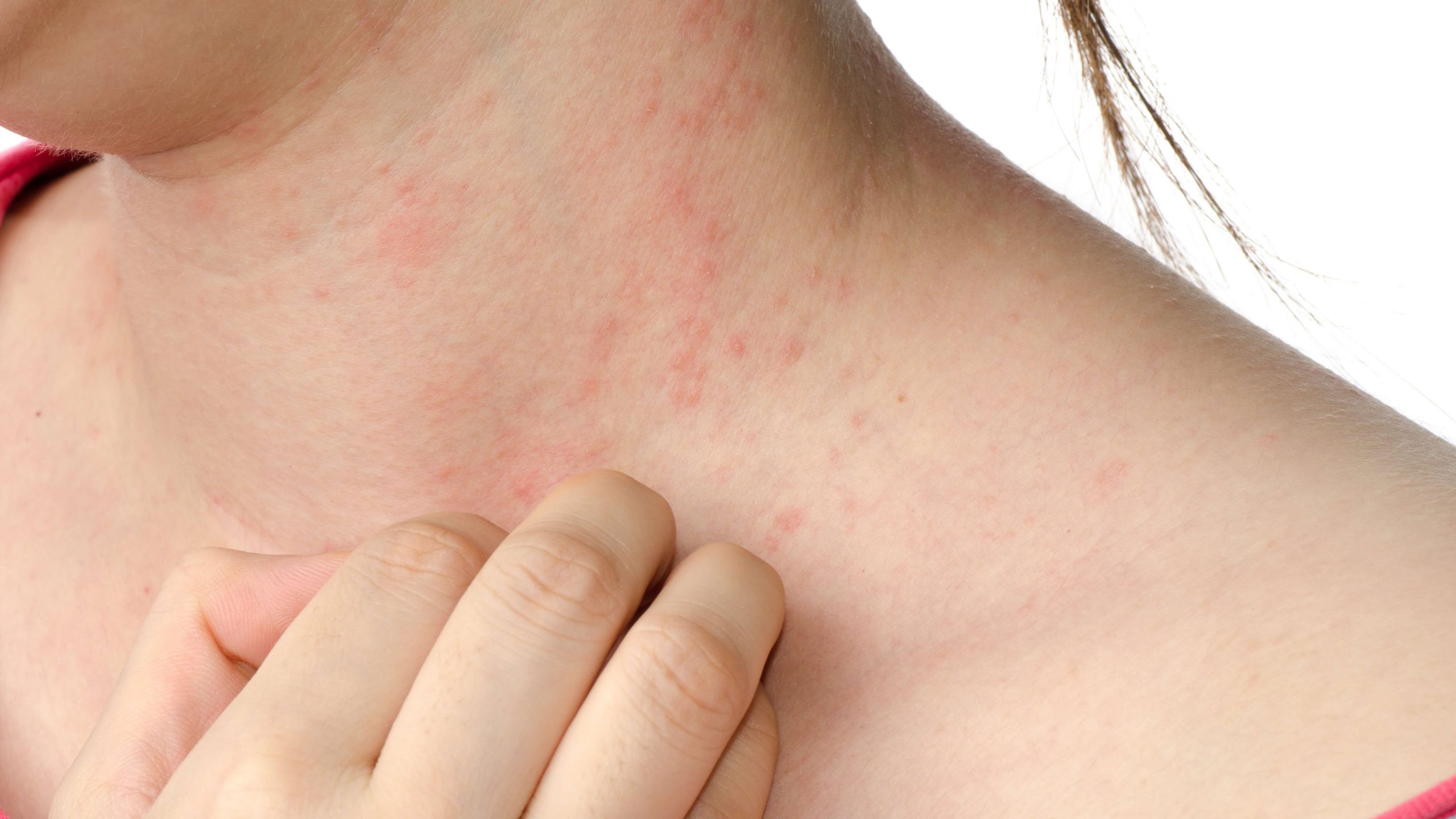
Red dots may be a symptom of an allergic reaction to food, medication, insect stings, or topical substances like soap or detergent.
Symptoms May Include:
-
Itchy rash or hives
-
Swelling
-
Sneezing or runny nose (in systemic allergies)
-
Difficulty breathing (in severe reactions)
If you experience difficulty breathing or swelling of the face or throat, seek emergency medical help immediately.
5. Folliculitis

Folliculitis is the inflammation or infection of hair follicles. It presents as red, pimple-like dots that can be painful or itchy. In severe cases, the bumps may contain pus or develop into boils.
Causes:
-
Bacterial or fungal infection
-
Shaving irritation
-
Tight clothing
-
Sweaty or unclean conditions
Most cases are mild and respond well to warm compresses, antiseptic washes, or topical antibiotics.
6. Cellulitis
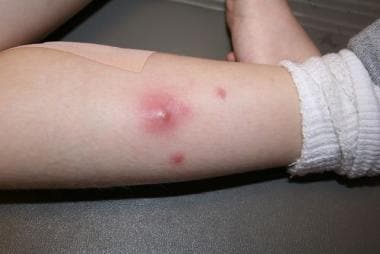
Unlike the above conditions, cellulitis is a potentially serious bacterial infection of the skin and underlying tissues. It typically presents as red, swollen, warm, and painful areas that spread quickly.
Warning Signs:
-
Fever
-
Rapid spread of redness
-
Skin feels hot and tender
Prompt medical treatment with antibiotics is necessary. Without treatment, cellulitis can lead to serious complications, including bloodstream infections.
7. Impetigo
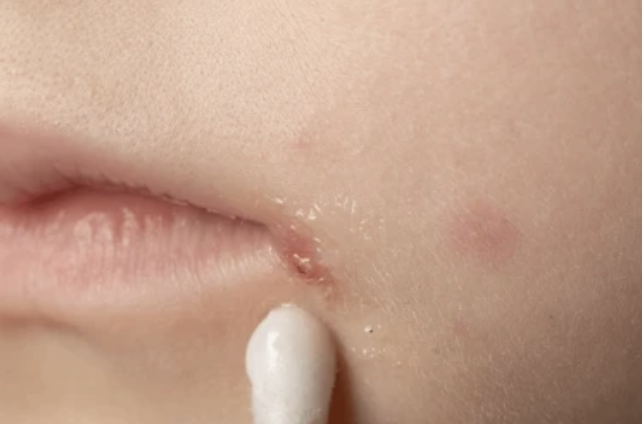
Impetigo is a contagious skin infection most often seen in children. It starts as red sores or blisters that eventually burst and form a golden crust.
Transmission:
-
Highly contagious
-
Spread via contact with infected skin or surfaces
Treatment usually involves topical or oral antibiotics. Good hygiene and handwashing are crucial to prevent spread.
8. Vasculitis
Vasculitis involves inflammation of the blood vessels and can result in red or purplish dots on the skin. These may look similar to petechiae but can also form larger patches.
Possible Causes:
-
Autoimmune conditions (like lupus)
-
Infections
-
Medication side effects
This condition requires medical evaluation, especially if it is accompanied by joint pain, fatigue, or unexplained weight loss.
9. Hemangiomas

Hemangiomas are benign (non-cancerous) growths of blood vessels, often present at birth or appearing in infancy. They can look like red dots or larger raised areas.
Common Types:
-
Superficial (on the skin)
-
Deep (under the skin)
Though they often resolve on their own over time, large or rapidly growing hemangiomas may need to be treated with medication or minor surgery.
When to See a Doctor
While many red dots on the skin are benign, it’s critical to recognize when they may signal something more serious. Seek medical attention if:
-
The red spots are accompanied by fever, pain, or swelling
-
They appear suddenly and spread rapidly
-
You experience fatigue, dizziness, or other systemic symptoms
-
The dots do not fade when you press on them (a possible sign of internal bleeding)
Conclusion
Red dots on the skin can be caused by a wide variety of conditions—ranging from mild heat rashes and allergies to more serious issues like infections or vascular inflammation. Monitoring the spots for changes, size, number, and accompanying symptoms is key to understanding whether they require simple care or urgent medical attention.
As with any change in your skin’s appearance, it’s always better to err on the side of caution. If in doubt, consult your healthcare provider for proper diagnosis and peace of mind.
Sources: