
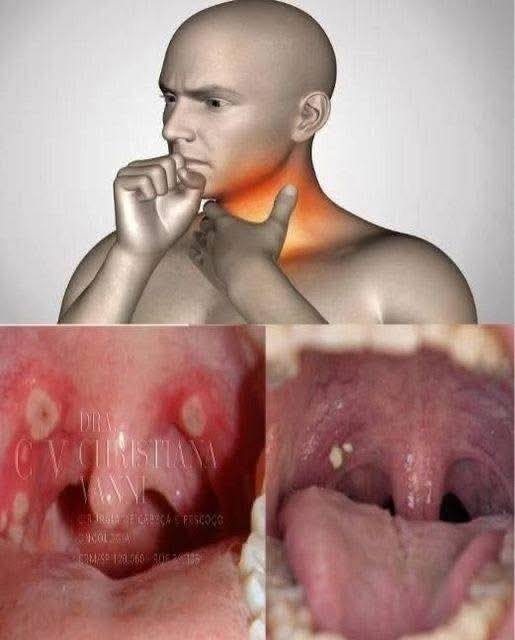
Despite advances in medical treatment, HIV (Human Immunodeficiency Virus) remains a serious health concern. While antiretroviral therapy (ART) now allows many people living with HIV to lead long, healthy lives, the virus can still be difficult to detect in its early stages. Many initial symptoms are mild and often mistaken for the flu or general fatigue, causing individuals to delay testing and treatment.
Recognizing early signs of HIV is critical to timely diagnosis and care. Left untreated, HIV can severely compromise the immune system and progress to AIDS (Acquired Immunodeficiency Syndrome), which may be life-threatening. Here are 9 symptoms you should never ignore. If you experience several of these at once or over a short period, seek medical advice and request an HIV test.
1. Persistent Fever

A persistent or recurring fever, especially when accompanied by swollen lymph nodes, may signal your immune system is under attack. Early HIV infection often causes flu-like symptoms, and fever is one of the most common indicators. If you can’t trace your fever to another cause like a cold or infection, it’s wise to consult a doctor.
2. Frequent Infections
/assets/production/practices/331d260e2035c78ac4a092f007c757846fdf3cab/images/2580219.jpg)
HIV weakens the immune system, making you more susceptible to infections. If you find yourself catching colds, respiratory infections, or other illnesses more often than usual, this could be a red flag. Recurrent or unusual infections, especially those hard to treat, should be investigated.
3. Skin Rashes or Breakouts

Skin changes are another early sign of HIV. These may include rashes, bumps, pimples, or acne-like eruptions. If your skin is reacting in ways it never has before—especially without a clear cause—it could be your body signaling internal distress.
4. Nausea, Vomiting, and Diarrhea

Digestive symptoms such as persistent nausea, vomiting, or unexplained diarrhea can occur early in HIV infection. These symptoms may be ongoing or come in waves. When combined with fatigue or weight loss, they warrant immediate medical evaluation.
5. Sudden Weight Loss

Significant weight loss without a change in diet or exercise can be a symptom of advanced HIV. Known as “HIV wasting syndrome,” it’s caused by the body’s inability to absorb nutrients due to immune system deterioration. Rapid weight loss should always prompt medical investigation.
6. Recurring Pneumonia or Herpes Outbreaks
Individuals with weakened immune systems are prone to frequent respiratory issues like pneumonia. In addition, recurrent cold sores or genital herpes outbreaks are more common and more severe in people living with HIV. These infections are often more aggressive and longer-lasting than in those with healthy immune function.
7. Changes in Nails
Although often overlooked, nail abnormalities can be an indirect sign of systemic health issues, including HIV. Watch for discoloration, texture changes (brittle or ridged nails), or unusual marks that don’t go away.
8. Cognitive and Mood Changes
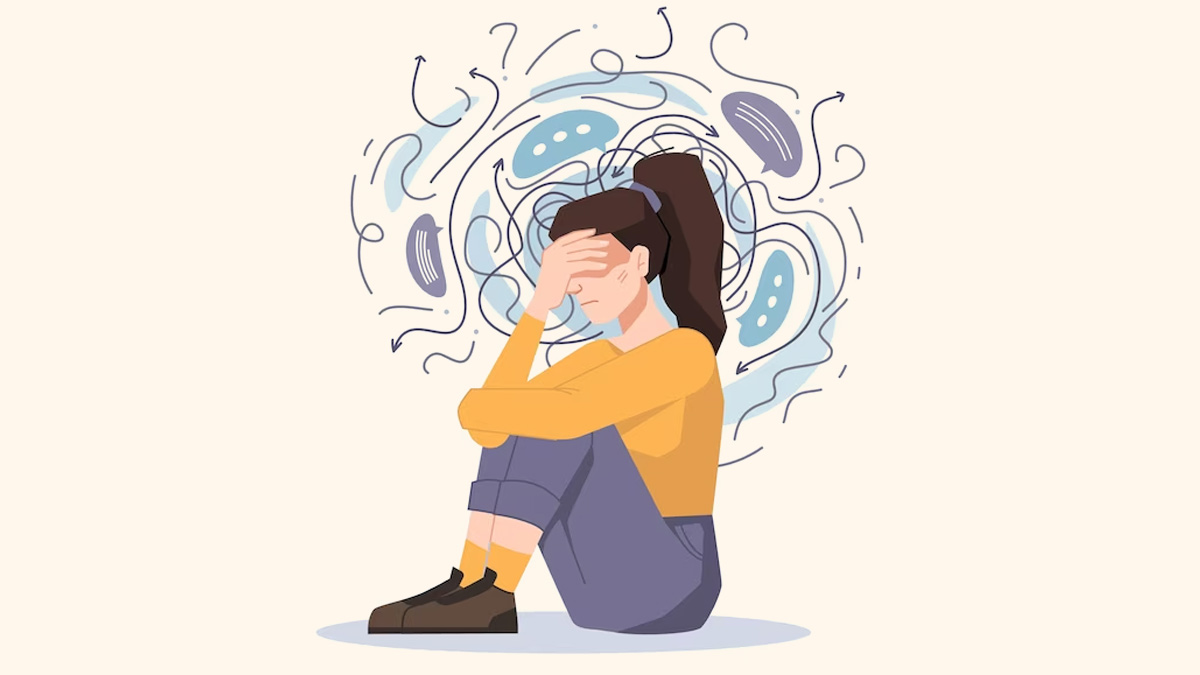
HIV-related neurological complications can affect focus, mood, and motor skills. If you notice a sudden difficulty concentrating, increased irritability, or coordination issues, these may be symptoms of neurocognitive changes associated with HIV, especially in later stages.
9. Irregular Menstrual Cycles
For women, HIV can interfere with hormone regulation, leading to irregular periods. Late or early menstruation, missed cycles, or unusual flow may be signs that something is wrong internally. While hormonal imbalances can have many causes, HIV should not be ruled out.
When to Get Tested
It’s important to understand that many of these symptoms overlap with other conditions. However, if multiple symptoms appear together or persist over time, don’t delay a visit to your healthcare provider. An HIV test is quick, confidential, and may be life-saving.
Get Tested If You Experience:
-
Multiple symptoms within a few weeks
-
Risky sexual behavior or exposure to blood products
-
A partner who is HIV-positive or whose status is unknown
-
Unexplained chronic fatigue, weight loss, or recurring infections
Early diagnosis leads to better outcomes. Modern treatment allows people living with HIV to lead full, healthy lives—but that starts with knowing your status.
Final Thoughts
Understanding the early warning signs of HIV is key to protecting your health and the health of others. If you or someone you know is experiencing several of these symptoms, don’t wait—talk to a healthcare provider about getting tested.
Remember, HIV is manageable with the right care. The earlier it’s detected, the more effective the treatment. Stay informed, stay protected, and prioritize your health.
Sources: