
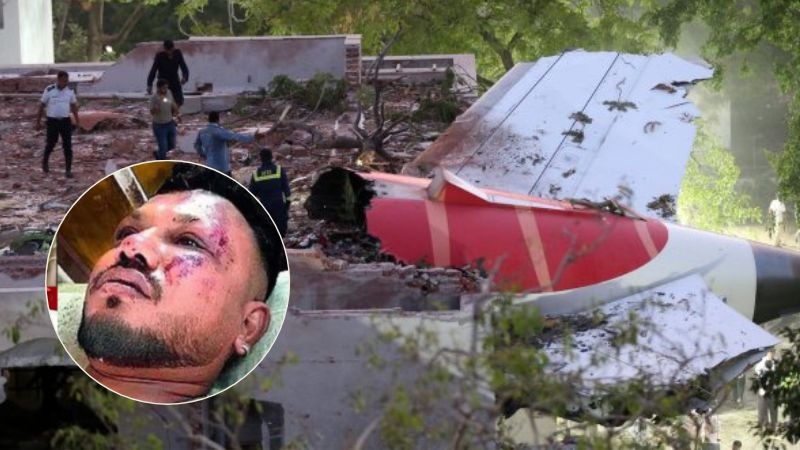
A devastating Air India plane crash near Ahmedabad has claimed the lives of 279 people, including nearly all passengers on board and several civilians on the ground. The disaster, which involved Flight AI171, has drawn international attention not only for its scale but also for the miraculous survival of one man—an event that has raised both admiration and skepticism.
Flight AI171: Tragedy in the Skies
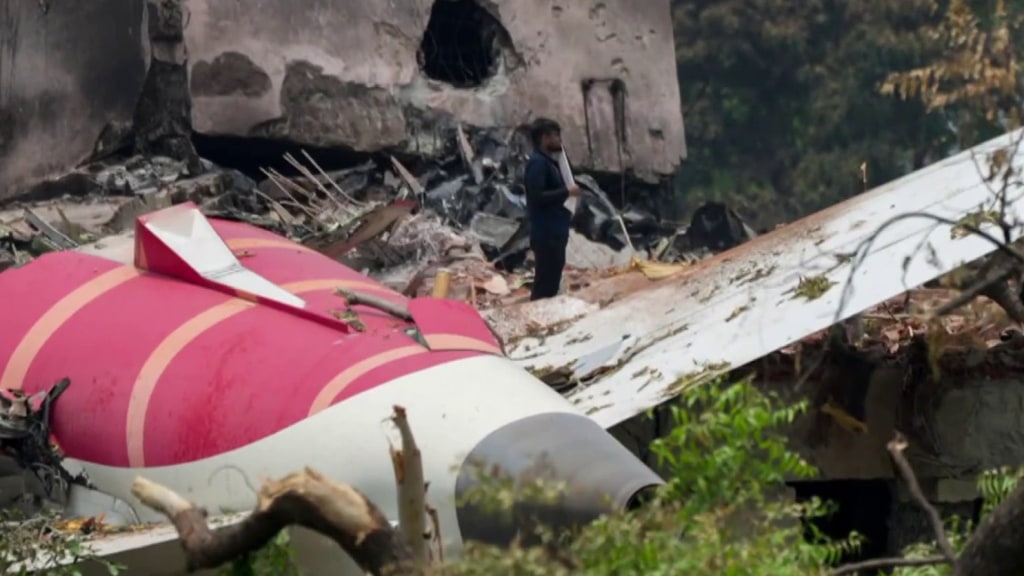
On the afternoon of June 16, 2025, Air India Flight AI171, a Boeing 787 aircraft bound for London Gatwick, took off from Sardar Vallabhbhai Patel International Airport in Ahmedabad. Just seconds after takeoff, the pilot, Captain Sumeet Sabharwal, issued a Mayday call to Air Traffic Control.
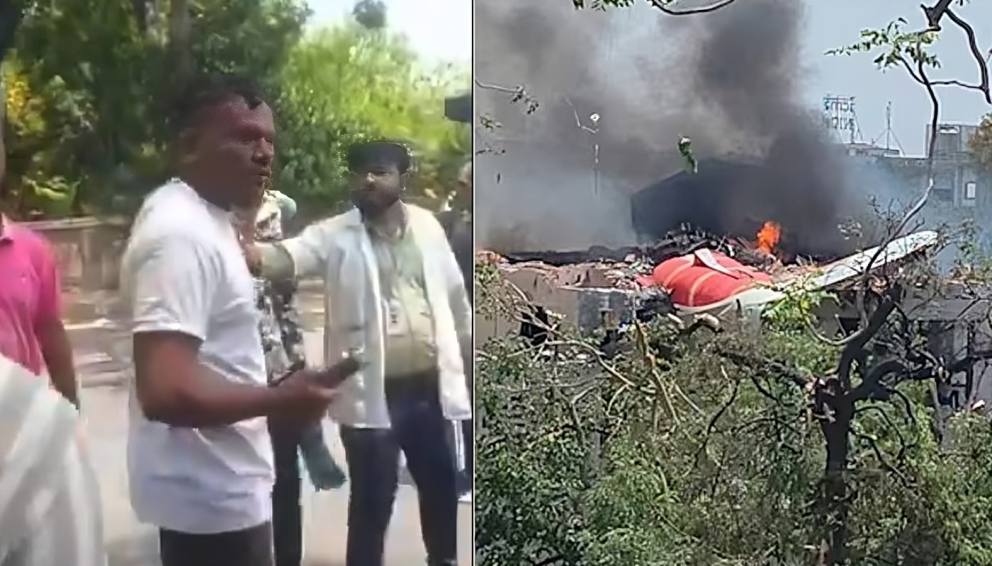
Shortly afterward, the plane crashed in a residential zone, setting off a massive fireball. The crash resulted in the deaths of 241 of the 242 people onboard, and an additional 38 casualties on the ground, bringing the death toll to 279.
Emergency responders arrived quickly, but the high temperatures and resulting inferno made rescue and identification efforts exceedingly difficult.
Pilot’s Final Heroic Decision

Authorities believe the toll could have been far higher had it not been for the quick thinking and bravery of Captain Sabharwal, a veteran with more than 8,200 flight hours. In the moments before the crash, it’s believed he made a deliberate decision to divert the aircraft away from Civil Hospital Ahmedabad, located just 5 kilometers from the airport.
The medical complex houses more than 3,000 patients and staff. Had the aircraft struck the hospital, the scale of the disaster could have been catastrophic. Aviation experts are now calling Sabharwal’s last act a “heroic maneuver” that saved thousands of lives, even as he and nearly everyone else on board perished.
Sole Survivor: Vishwash Kumar Ramesh

In a twist few could have imagined, one person survived the crash—40-year-old Vishwash Kumar Ramesh, a British citizen originally from India. His escape has sparked global intrigue.
Footage captured from the crash site shows Ramesh walking away with visible bruises but no critical injuries. Speaking from his hospital bed, Ramesh described the surreal experience to reporters.
“My seat was broken. The door was broken. I saw an opening, so I just got out,” he told the Daily Mail.
According to his account, the emergency exit near his seat had already been damaged during impact. He unbuckled and forced his way out with his leg, climbing out of the burning wreckage.
Ramesh had been traveling with his brother, who tragically died in the crash.
A Wave of Public Skepticism
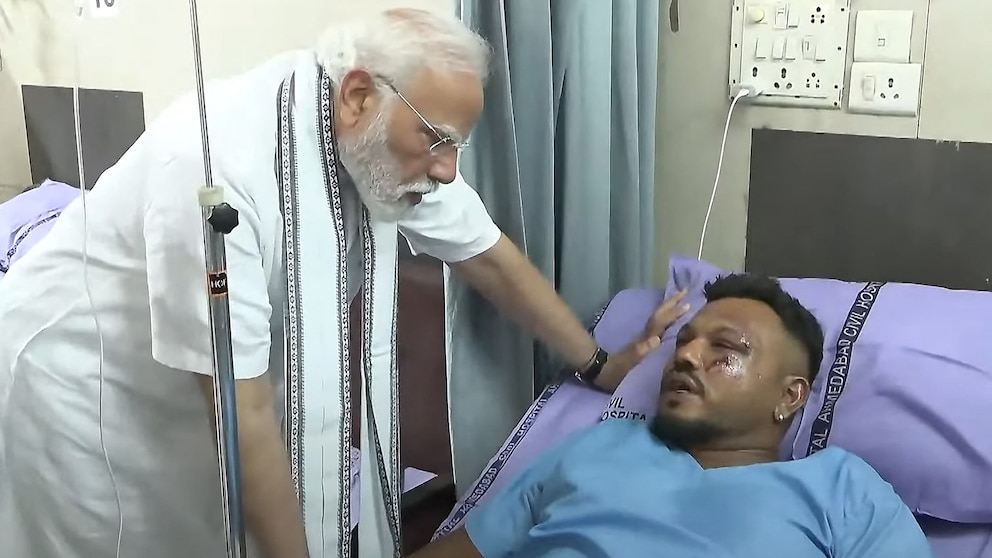
While many view Ramesh’s survival as a miracle, others have expressed doubt. Social media users and some members of the public have questioned the feasibility of his escape, especially given the intense blaze and near-total fatality rate.
“The more he talks, the more suspicious it gets,” one user wrote.
Some online forums even speculated about the timing of his movements and the clarity of his memory, though no evidence has emerged to suggest foul play or dishonesty.
Despite the speculation, Indian Prime Minister Narendra Modi personally visited Ramesh to express support and offer condolences for the loss of his brother.
Forensic Teams Struggle to Identify Victims
The extreme heat generated by the crash—reaching up to 1,500°C (2,700°F)—has made the identification process extraordinarily difficult. According to HP Sanghvi, Director of the Gandhinagar Forensic Science Laboratory, DNA degradation is one of the biggest challenges.
“These high temperatures affect the DNA present in various parts of the body,” Sanghvi stated.
Teams are working around the clock to collect DNA from both the victims and their family members in order to match remains and return them to loved ones.
Simulation Videos Shed Light on Escape
To help visualize Ramesh’s survival, several aviation analysts have created computer simulations of the crash. These animations show the likely trajectory of the plane and the location of structural breaks that could have provided a narrow path for escape.
These findings offer a potential explanation for how Ramesh might have survived—but the mystery remains gripping to many.
Community Mourning and Global Reactions
The crash has left the city of Ahmedabad—and India at large—in mourning. Candlelight vigils have been held near the airport, and tributes have poured in for the victims, crew, and especially Captain Sabharwal.
International leaders have also expressed condolences. British officials are reportedly in contact with Ramesh, offering consular assistance and support.
Conclusion: A Story of Loss, Survival, and Questions
The Air India Flight AI171 crash marks one of the deadliest aviation disasters in recent Indian history. While investigators continue to examine black box data and cockpit recordings, public focus has shifted to the story of one man who walked away—both physically and symbolically—from tragedy.
As questions swirl around the circumstances of Vishwash Ramesh’s escape, one thing remains clear: this disaster has underscored the fragile line between life and death, and the lasting impact a single event can have on hundreds of lives.
May the victims rest in peace, and may lessons be learned to prevent such heartbreak in the future.