
Colorado Coroner Confirms Senator’s Blood Alcohol Level in Fatal I-25 Crash
A coroner’s report released in December confirmed that Faith Winter, a Democratic lawmaker from Broomfield, had a blood alcohol concentration above the legal limit at the time she died in a vehicle collision south of Denver.
The findings, issued by the Arapahoe County Coroner’s Office, relate to a multi-vehicle incident on Interstate 25 that occurred the night before Thanksgiving. The report adds medical detail to an investigation that local authorities say is now complete.
What the Coroner’s Report Found

According to the coroner, Winter’s blood alcohol concentration measured 0.185%. Under Colorado law, a driver can be charged with driving under the influence at 0.08% or higher.
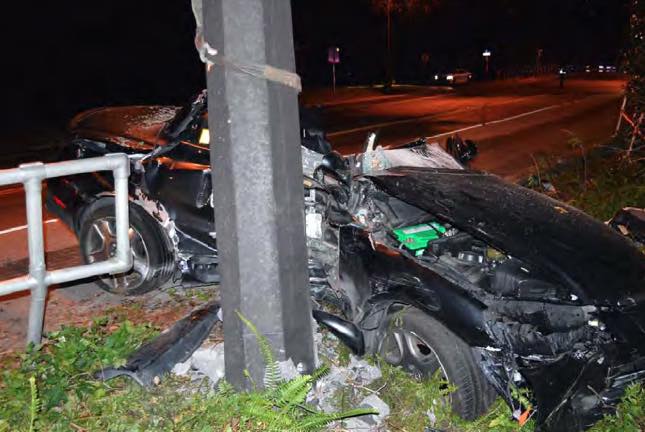
The report lists the cause of death as multiple blunt force injuries sustained in the crash. Officials said Winter was the sole occupant of her vehicle and was pronounced dead at the scene.
The coroner’s findings were released alongside information from the Arapahoe County Sheriff’s Office, which investigated the circumstances of the collision.
Details of the Crash on Interstate 25
Law enforcement officials said the crash occurred on November 26, along a stretch of northbound I-25 south of Denver. Investigators determined that Winter’s vehicle struck the rear of a Ford F-350 that was stopped in the left lane of traffic.
Authorities noted that the collision happened shortly after a separate three-vehicle incident had already slowed traffic in the area. Winter’s vehicle was not involved in that earlier crash.
According to the sheriff’s office, the driver of the Ford F-350 was operating the vehicle with “due regard,” though officials acknowledged the truck did not have visible rear taillights at the time. After reviewing all available evidence, investigators concluded that Winter was at fault for the crash.
No Criminal Charges to Be Filed
Because Winter died at the scene, no criminal charges will be pursued. The sheriff’s office said that decision was made after reviewing evidence in coordination with the 18th Judicial District Attorney’s Office.
In a written statement, authorities emphasized that the investigation followed standard procedures for fatal traffic incidents and that all relevant factors were evaluated before closing the case.
Acknowledging a Public Health Struggle
The coroner’s report renewed attention on a personal challenge Winter had publicly addressed before her death. In 2024, she temporarily stepped away from legislative duties to seek treatment for alcohol use disorder.
That decision followed an appearance at a community meeting in Northglenn where she appeared impaired. The incident led to a review by the Colorado Senate Ethics Committee, which later found that she had failed to meet chamber standards related to public integrity.
At the time, Winter acknowledged her struggle and sought treatment, a step supporters described as candid and difficult for a public official to take.
Remembered for Advocacy and Service

Despite the circumstances of her death, colleagues and loved ones have emphasized Winter’s impact during her years in public office.
At a memorial service held on the west steps of the Colorado State Capitol, friends, staff members, and fellow lawmakers remembered her as a strong advocate for women entering public service and elected office. Speakers also highlighted her role as a mother to two children and her efforts to mentor younger leaders.
Photos from the memorial showed mourners embracing aides and staff members who worked closely with Winter throughout her legislative career.
Legislative Transition Underway
Following Winter’s death, state officials confirmed that a legislative vacancy committee will meet to appoint a replacement for Senate District 25. The committee process is standard under Colorado law when a sitting legislator’s seat becomes vacant.
The selection will determine who completes the remainder of Winter’s term and represents the district in the state Senate.
Balancing Accountability and Compassion
The release of the coroner’s report has prompted public discussion about accountability, transparency, and compassion when tragedies involve elected officials.
Transportation safety experts note that impaired driving remains a leading cause of fatal crashes nationwide, regardless of a driver’s background or profession. At the same time, advocates for mental health and addiction awareness have pointed to Winter’s openness about her treatment as a reminder that substance use disorders affect people across all professions.
Local officials have urged the public to focus on prevention, education, and support rather than speculation.
A Tragic End to a Public Career

Winter’s death marked the sudden end of a legislative career that included work on issues ranging from housing to education and women’s representation in government. While the coroner’s findings clarify the medical facts surrounding the crash, they do not capture the full scope of her life or the relationships she built during her years in office.
As Colorado prepares to fill her Senate seat, colleagues say her legacy will continue through the policies she supported and the people she encouraged to step into public service.
The investigation into the crash is now closed, but the conversation it has sparked—about road safety, addiction, and public responsibility—continues across the state.
