
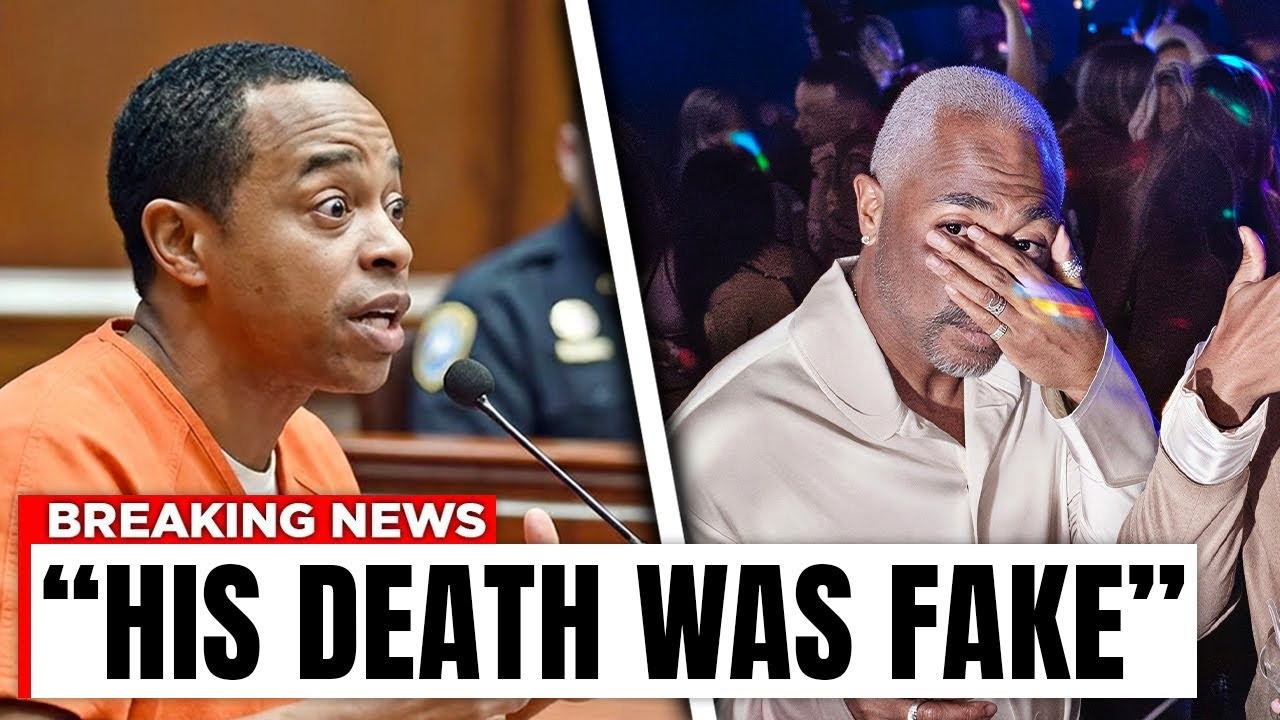
The death of Tupac Shakur in 1996 remains one of the most widely discussed cases in music history. Over the years, countless theories, interviews, and media reports have circulated, often mixing confirmed facts with speculation.
The Night of September 7, 1996: What Happened
On September 7, 1996, Tupac Shakur attended a boxing match featuring Mike Tyson at the MGM Grand in Las Vegas.
After the fight, Shakur and members of his entourage, including Suge Knight, were involved in a physical altercation with Orlando Anderson in the hotel lobby. This incident was captured on surveillance footage and later became a key element in the investigation.
Later that night, at approximately 11:15 PM, Shakur was riding in a BMW driven by Knight near the intersection of East Flamingo Road and Koval Lane. A white Cadillac pulled alongside the vehicle, and shots were fired.
Shakur was struck multiple times and transported to the University Medical Center of Southern Nevada, where he received intensive medical care.

Tupac Shakur’s Death
Despite medical efforts, Tupac Shakur died on September 13, 1996, at the age of 25. According to official reports, the cause of death was respiratory failure and cardiac arrest resulting from multiple gunshot wounds.
His death was ruled a homicide by authorities in Las Vegas.
Investigation and Key Developments
For many years, the case remained unresolved in terms of prosecution. However, law enforcement continued to investigate.
Duane “Keefe D” Davis Case
In 2023, Las Vegas police arrested Duane Davis, a former gang member, in connection with Tupac Shakur’s death. Davis had previously spoken publicly about the case in interviews and memoirs.
Prosecutors allege that Davis was involved in orchestrating the shooting. As of now, legal proceedings are ongoing, and no final conviction has been reached. All individuals are presumed innocent until proven guilty in court.

The Role of Orlando Anderson
Orlando Anderson, who was involved in the earlier altercation with Shakur, was long considered a key suspect by investigators.
However, Anderson denied involvement and was never charged. He died in an unrelated incident in 1998. Law enforcement has stated that he remained a person of interest during the investigation.
Haitian Jack: What Is Verified
Haitian Jack (Jacques Agnant) is often mentioned in discussions about Tupac Shakur’s life due to their past association.
Confirmed Facts
-
Haitian Jack was involved in the music and nightlife scene in New York during the early 1990s.
-
He had a known association with Tupac Shakur during that period.
-
He was involved in legal cases unrelated to Tupac’s 1996 death.
Important Clarification
There is no verified evidence from law enforcement or court records linking Haitian Jack to the 1996 Las Vegas shooting. Any claims suggesting direct involvement remain unproven and should be treated as speculation.
The 1994 Quad Studios Incident
Another confirmed event relevant to Tupac Shakur’s history is the 1994 shooting at Quad Recording Studios in New York.
-
Shakur was shot and injured during a robbery at the studio.
-
He later publicly accused several individuals of involvement.
Verified Updates
In 2011, Dexter Isaac publicly claimed involvement in the attack. However, the full circumstances of the incident remain complex, and not all claims have been legally adjudicated.
East Coast–West Coast Rivalry
Tupac Shakur’s death occurred during a period of heightened tension in the hip-hop industry, often referred to as the East Coast–West Coast rivalry.
Key figures included:
-
The Notorious B.I.G.
-
Sean Combs
-
Suge Knight
This rivalry contributed to a broader climate of conflict but no official findings have concluded that it directly caused Tupac’s death.
Tupac Shakur’s Legacy
Despite his early death, Tupac Shakur remains one of the most influential artists in music history.
Achievements and Recognition
-
Inducted into the Rock and Roll Hall of Fame in 2017
-
Sold millions of records worldwide
-
Influenced generations of artists, including Kendrick Lamar
His work addressed social issues such as inequality, violence, and systemic injustice, continuing to resonate decades later.
Why the Case Still Matters
The Tupac Shakur case continues to draw attention because:
-
It involves a globally recognized cultural figure
-
Legal proceedings are still ongoing
-
New information occasionally emerges through official channels
However, it is essential to distinguish between verified facts and unconfirmed claims when discussing the case.
Conclusion
The story of Tupac Shakur’s death is often surrounded by speculation, but the core facts are clear and documented.
-
He was shot in Las Vegas on September 7, 1996
-
He died six days later from his injuries
-
The case remained unsolved for decades until recent legal action
-
No credible evidence links unrelated individuals without official confirmation
As investigations continue, any new developments should be evaluated based on reliable sources and legal findings, not rumors.