
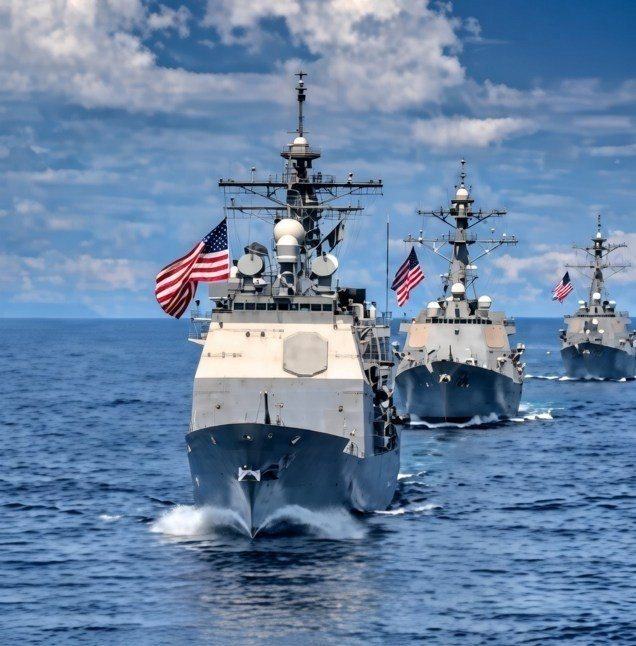
In late February 2026, a dramatic escalation in Middle Eastern tensions transformed into one of the most significant geopolitical events of the early 21st century. Coordinated military strikes launched by the United States and Israel against Iran marked the beginning of an open armed conflict that has since sent shockwaves through global energy markets, international diplomatic circles, and humanitarian organizations around the world. To understand what is happening — and why it matters — it is essential to look beyond the breaking headlines and examine the deeper context, the sequence of events, and the far-reaching consequences that are continuing to unfold.
Decades in the Making: The Historical Roots of the Crisis
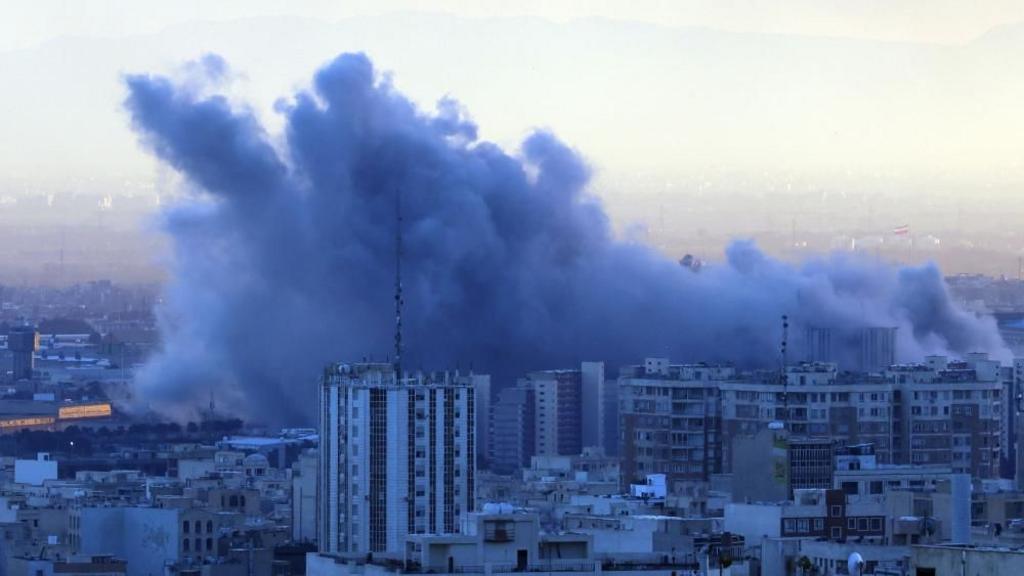
The conflict that erupted in February 2026 was not a sudden development. It was the culmination of decades of compounding tensions between Iran, Israel, and the United States — tensions rooted in competing visions for regional influence, disputes over nuclear programs, and a complex web of alliances and proxy relationships that have shaped Middle Eastern politics for generations.
In the years immediately preceding the 2026 escalation, the situation had grown increasingly volatile. Throughout 2024 and 2025, exchanges of missiles and drones between Israel and Iran occurred on multiple occasions, each incident raising the temperature in a region already under enormous pressure. Simultaneously, Iranian-aligned forces — including Houthi groups operating in Yemen — conducted repeated attacks on commercial shipping vessels in the Red Sea and the Gulf of Aden, prompting the United States to expand its naval protection efforts in those critical waterways.
These cumulative developments created the conditions for a serious escalation. Every unresolved incident, every unanswered provocation, and every failed diplomatic effort added to the pressure that would eventually give way to open conflict. By early 2026, regional analysts and security experts had been warning for months that the situation was approaching a tipping point.
The Opening Strikes: How the War Began
On February 28, 2026, U.S. and Israeli forces launched coordinated airstrikes targeting multiple locations deep within Iranian territory. The strikes hit military installations, command infrastructure, and air defense systems across several major cities, including Tehran, Isfahan, and Qom. The operation, reportedly code-named by U.S. command as Operation Epic Fury, involved a broad range of military assets, including long-range bomber aircraft, Tomahawk cruise missiles, and precision strike systems.
The stated justification from the United States and Israel was that the operation constituted a pre-emptive action designed to neutralize Iran’s growing missile and drone capabilities — weapons systems that both governments characterized as a direct threat to regional security and to their allies across the Middle East. U.S. and Israeli officials argued that decisive action was necessary to protect partner nations and prevent what they described as imminent threats from escalating further.
The strikes immediately drew international attention and triggered urgent diplomatic responses from governments and institutions around the world. Within hours of the first reports emerging, the United Nations Security Council convened an emergency session, and world leaders began issuing statements calling for restraint, transparency, and a return to diplomatic engagement.
Iran’s Response and the Widening of the Conflict
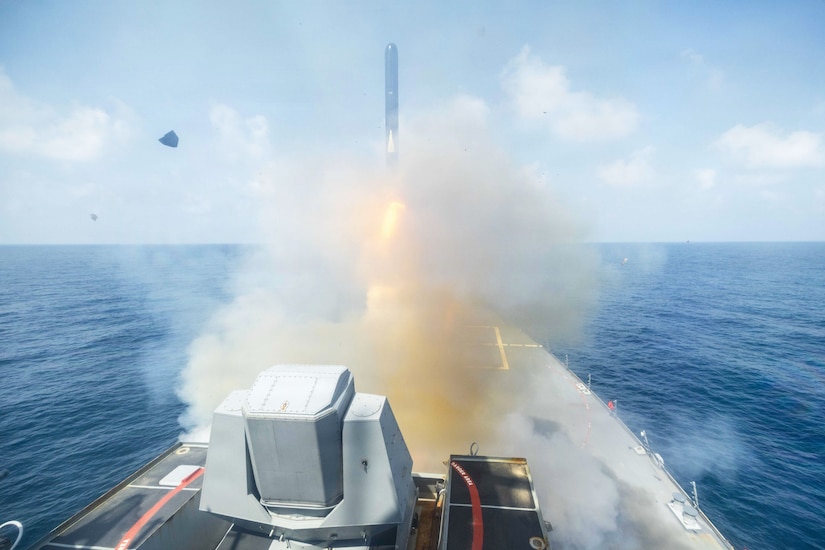
Iran did not remain passive in the face of the strikes. In the days and weeks that followed, Iranian forces launched retaliatory waves of ballistic missiles and unmanned aerial vehicles against a range of targets. Israeli cities and military positions came under direct attack, while U.S. military installations in countries across the Gulf region — including Kuwait, Bahrain, Saudi Arabia, Qatar, and the United Arab Emirates — were also struck.
Allied air defense systems intercepted a significant number of these incoming projectiles, but not all attacks were neutralized. Some missiles and drones reached their targets, causing casualties among military personnel and damage to infrastructure. The scope of Iran’s retaliation demonstrated the range and capability of its long-distance strike weapons — a reminder that even under pressure, Iran retains considerable military capacity.
U.S. forces suffered combat casualties as a result of Iranian strikes, particularly at installations in Kuwait and Saudi Arabia. President Trump publicly acknowledged the losses in formal ceremonies, honoring fallen service members while reaffirming the administration’s commitment to its strategic objectives in the region.
As the conflict expanded, it drew in multiple other actors. Lebanese militant group Hezbollah launched attacks into northern Israel, opening a second front. In Iraq, U.S. forces found themselves engaged in combat operations against Iranian-aligned militias operating in areas including Jurf al-Sakhar and al-Qaim — a development that marked a significant expansion of the conflict’s geographic footprint. Regional airspace was intermittently disrupted, affecting commercial aviation routes and adding further disruption to an already strained situation.
International Reactions: A World Divided
The global response to the conflict has been deeply divided, reflecting broader geopolitical fault lines that have been widening in recent years. While some traditional U.S. allies offered measured political support for the stated objectives of the operation, others expressed serious reservations or outright criticism.
Within Europe, the response exposed long-standing divisions over defense cooperation, the role of international law, and the appropriate limits of military force. European Union member states struggled to arrive at a unified position, with some governments emphasizing solidarity with Washington and others prioritizing calls for an immediate ceasefire and diplomatic resolution.
The United Nations, through both its General Assembly and Security Council, issued statements condemning attacks on civilian infrastructure and calling urgently for de-escalation. Secretary-General-level communications emphasized the potentially catastrophic humanitarian consequences of a prolonged conflict and called on all parties to pursue dialogue.
China and several other major global powers issued joint calls for ceasefire negotiations, warning that continued fighting risked triggering a broader destabilization of the region and potentially of global geopolitical order. These calls reflected a wider international consensus that the conflict, if left unchecked, could have consequences extending far beyond the Middle East.
Within the United States itself, public opinion has been sharply divided. Questions about whether the military action was legally authorized by Congress, whether it was strategically sound, and what its long-term costs might be have become central to domestic political debate. Legal scholars, former military officials, and foreign policy experts have weighed in from a range of perspectives, adding to a discourse that is both intense and deeply consequential.
Economic Shockwaves: Energy Markets and Global Trade
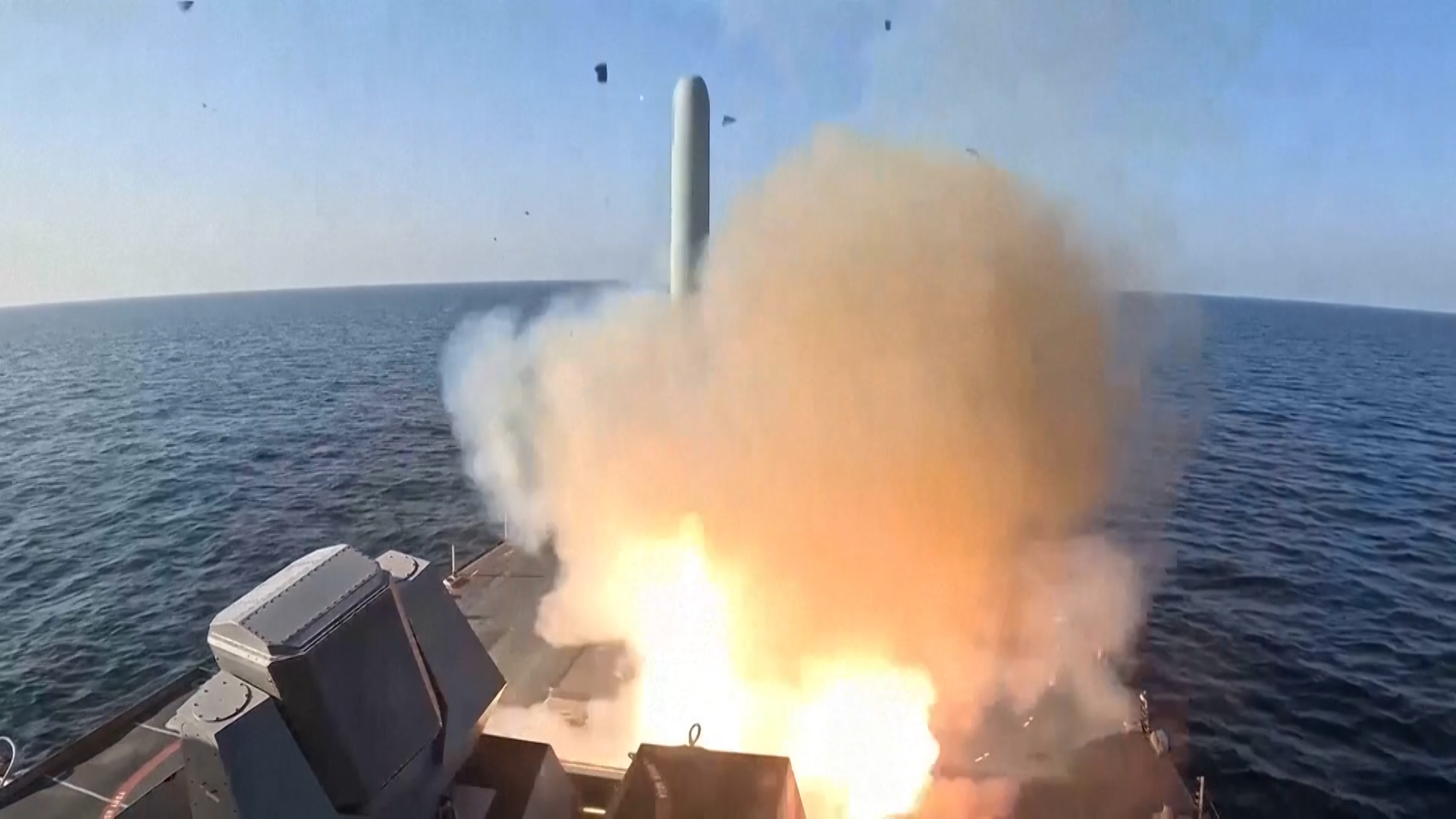
One of the most immediately felt consequences of the conflict has been its impact on global energy markets. Oil prices surged past USD 100 per barrel in the days following the initial strikes, driven by widespread fears that the conflict could disrupt oil flows through the Strait of Hormuz — one of the world’s most critical maritime chokepoints, through which a substantial portion of global petroleum shipments pass daily.
The prospect of prolonged instability in the Gulf region sent ripples through financial markets worldwide. Investors responded to the uncertainty with significant volatility, as concerns mounted about the potential for sustained energy supply disruptions and their downstream effects on already strained global economies. Airlines, shipping companies, and energy-dependent industries began reassessing their operational plans in light of the changed security environment.
For countries that rely heavily on Middle Eastern oil imports, the conflict has introduced a layer of economic uncertainty that governments and businesses are working urgently to manage. Energy security, already a pressing concern following recent years of global disruption, has once again moved to the top of national policy agendas across multiple continents.
The Human Cost: Civilian Impact and Humanitarian Concerns
Beyond the strategic and economic dimensions of the conflict lies its most sobering aspect: the profound human toll. Sustained airstrikes on urban areas across Iran have resulted in significant civilian casualties. In Tehran and other affected cities, thousands of civilians have reportedly been killed or wounded, with many more displaced from their homes by the ongoing destruction.
Missile and drone strikes against civilian infrastructure in Gulf states — including airports, energy facilities, and transportation networks — have compounded the humanitarian picture, causing population displacement and widespread societal disruption in countries that had not anticipated becoming directly affected by the fighting.
Humanitarian organizations operating in the region have raised urgent alarms about the scale of suffering and the challenges of delivering aid in active conflict zones. Refugee flows have increased, internal displacement has risen sharply, and access to essential services including healthcare, clean water, and food has been compromised in multiple affected areas.
These human realities serve as a powerful reminder that armed conflicts carry consequences that extend far beyond the military objectives of those who initiate them.
What Comes Next: Strategic Uncertainty and the Path Forward

As of this writing, the conflict shows no clear signs of resolution. U.S. and Israeli leaders have stated that their primary objectives are to degrade Iran’s missile and drone capabilities and to fundamentally alter Tehran’s strategic behavior in the region. President Trump has publicly referenced the possibility of Iran’s unconditional withdrawal from certain military postures, though the precise terms of any acceptable resolution remain unclear and diplomatically contested.
Whether the conflict remains primarily an air and missile campaign or evolves into a broader military engagement involving ground forces is a question that analysts and policymakers are actively debating. The U.S. administration has indicated that a ground invasion is not an immediate priority, while acknowledging that further troop deployments have not been ruled out depending on how the situation develops.
The regional dynamics further complicate any potential path to peace. With Hezbollah engaged on the Lebanese-Israeli border, Iraqi militias targeting U.S. positions, and Gulf states navigating enormous pressure from multiple directions simultaneously, the mosaic of actors and allegiances involved in the conflict makes diplomatic resolution extraordinarily difficult to achieve quickly.
International mediators, including representatives from China and several European nations, are reportedly exploring back-channel conversations aimed at opening space for negotiations. Whether those efforts will gain traction remains to be seen.
A Moment of Historical Significance
The conflict that began in late February 2026 is already being recognized as a defining moment in the geopolitics of the early 21st century. Its consequences — for the people of the Middle East, for global energy markets, for international institutions, and for the rules-based international order — will be felt for years and perhaps decades to come.
Understanding this conflict fully requires more than consuming daily news updates. It requires a grasp of the historical forces that shaped it, the strategic calculations of the parties involved, the economic systems it is disrupting, and — perhaps most importantly — the human lives it is affecting. As the situation continues to evolve, informed, evidence-based understanding will be more essential than ever.