
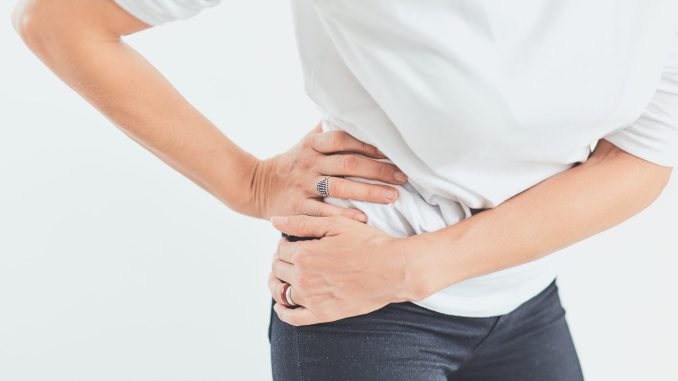
Hearing or feeling unusual sounds from the hip joint, such as clicking, popping, grinding, or squeaking, can be unsettling. While some joint noises are harmless, persistent or recurring hip sounds—especially when combined with pain, stiffness, or reduced mobility—may signal an underlying issue that deserves attention. Because the hip is one of the body’s primary weight-bearing joints, maintaining its health is essential for daily movement, balance, and long-term mobility.
Understanding why hip noises occur, when they may be a concern, and how to protect joint health can help individuals take appropriate action before minor issues progress.
How the Hip Joint Works
The hip is a ball-and-socket joint formed by the head of the femur and the acetabulum of the pelvis. Smooth cartilage covers the joint surfaces, allowing them to move freely with minimal friction. Surrounding muscles, tendons, ligaments, and a fluid-filled capsule provide stability and support.
When all of these components function properly, hip movement is typically quiet and smooth. Sounds or sensations often occur when this system is disrupted by changes in cartilage, soft tissues, or joint mechanics.

Common Reasons the Hip May Make Noise
Not all hip noises are a cause for concern. In some cases, clicking or popping occurs without pain and may be related to normal movement of tendons or changes in joint pressure. However, repeated sounds or discomfort should not be ignored.
Medically recognized causes of hip noises include:
- Cartilage wear or degeneration, which may reduce smooth joint motion
- Labral changes, involving the cartilage rim that stabilizes the hip socket
- Tendon movement, where tendons shift over bony structures during motion
- Joint inflammation, which can alter lubrication and movement patterns
- Muscle imbalances or weakness, leading to altered joint mechanics
Early changes in joint structures can sometimes be detected before significant pain develops, making awareness important.

When Hip Noises Should Be Evaluated
Occasional, painless joint sounds are often considered normal. However, medical evaluation is generally recommended when hip noises are:
- Persistent or worsening over time
- Accompanied by pain, stiffness, or swelling
- Associated with limited range of motion
- Triggered by routine activities such as walking or standing
- Present after an injury or period of increased physical strain
Orthopedic specialists and sports medicine physicians are trained to assess hip function and identify potential joint or soft-tissue conditions.
Medical Assessment and Diagnosis
A clinical evaluation typically begins with a physical examination to assess movement patterns, strength, flexibility, and joint stability. If needed, imaging studies may be used to gain further insight.
Common diagnostic tools include:
- X-rays, which can show bone alignment and joint space
- Magnetic resonance imaging (MRI), which provides detailed views of cartilage, tendons, and other soft tissues
Early identification of joint changes allows for timely intervention, which can help reduce symptoms and slow progression.

The Role of Lifestyle in Hip Health
Daily habits play a significant role in joint health. Factors such as body weight, posture, movement patterns, and footwear can all influence how much stress is placed on the hip joint.
Maintaining a healthy body weight is particularly important. Research consistently shows that even modest weight reduction can decrease joint loading and improve comfort during movement.
Other supportive lifestyle strategies include:
- Avoiding prolonged sitting without breaks
- Practicing good posture during standing and sitting
- Wearing supportive, well-fitting footwear
- Incorporating regular movement throughout the day
A balanced diet that supports muscle strength and overall tissue health can also contribute to joint well-being.
Exercise: Finding the Right Balance
Physical activity is essential for joint health, but the type and intensity of movement matter. High-impact activities may aggravate symptoms in some individuals, while complete inactivity can lead to stiffness and muscle weakness.
Low-impact exercises commonly recommended for hip health include:
- Walking at a comfortable pace
- Swimming or water-based exercise
- Cycling on level terrain or stationary bikes
- Controlled strength and flexibility exercises
These activities promote circulation, maintain joint mobility, and support surrounding muscles without excessive strain.
Importance of Muscle Strength and Stability
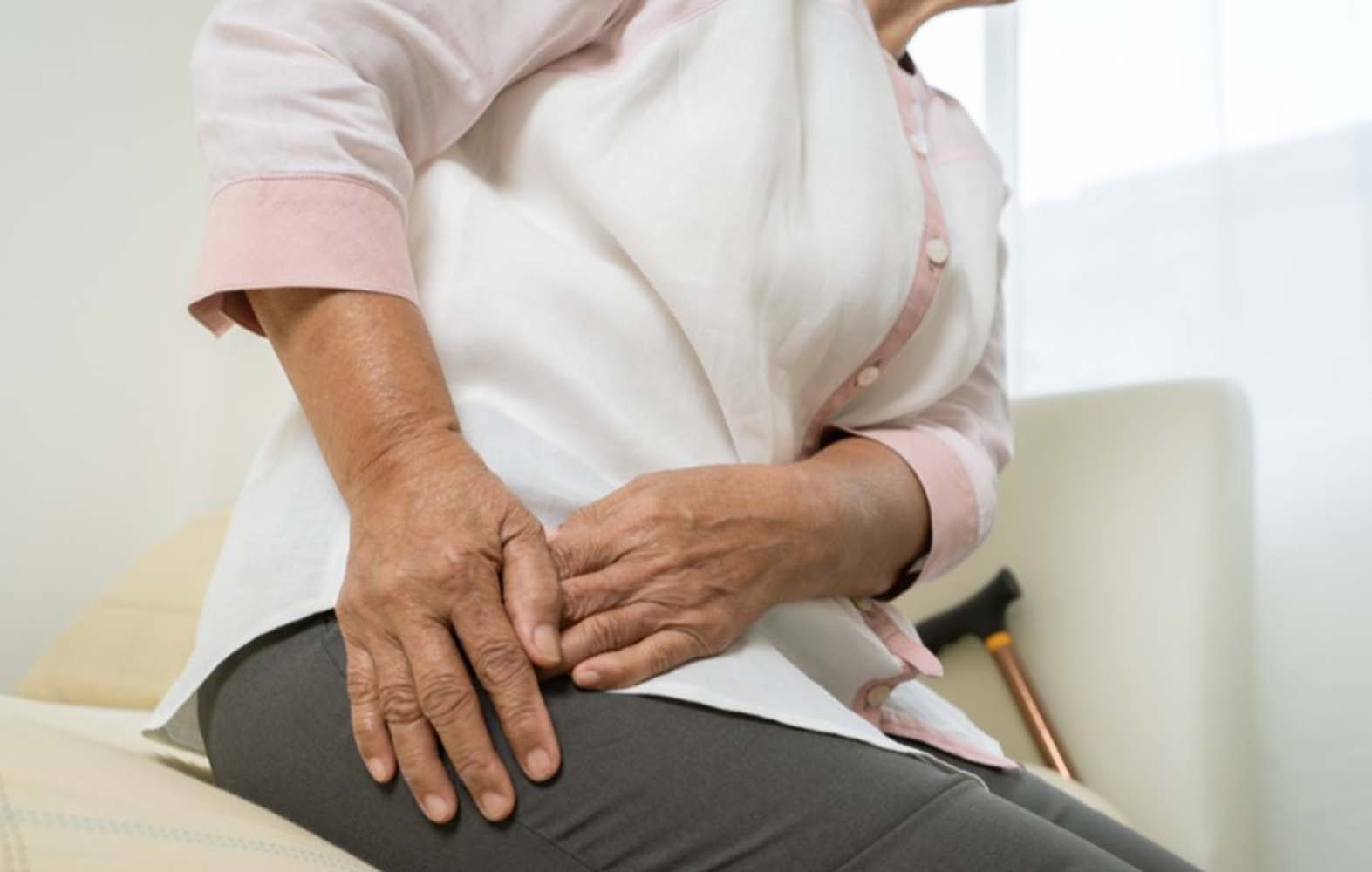
Strong muscles around the hip help distribute forces evenly and stabilize the joint during movement. Weakness in key muscle groups can increase stress on joint surfaces and contribute to discomfort.
Muscle groups that play a critical role in hip stability include:
- Gluteal muscles
- Core muscles
- Thigh muscles, including quadriceps and hamstrings
Commonly recommended exercises include bridges, side-lying leg raises, controlled squats, and balance-focused movements. A physical therapist can tailor an exercise program to individual needs and limitations.
Activity Modification and Symptom Management
For individuals experiencing hip noises with discomfort, temporary activity modification may be helpful. This does not mean avoiding movement altogether, but rather adjusting intensity, duration, or technique to reduce joint stress.
Supportive measures may include:
- Gradual return to activity after rest
- Stretching to improve flexibility
- Strength training under professional guidance
- Using supportive equipment when recommended
Medical professionals may also recommend additional treatments depending on the diagnosis and symptom severity.

When Early Action Matters
Joint conditions often develop gradually. Addressing early signs—such as recurring hip noises with discomfort—can help preserve joint function and reduce the likelihood of more advanced problems later. Early intervention is frequently associated with better outcomes and fewer limitations over time.
Regular check-ups, awareness of body signals, and proactive care all contribute to long-term mobility and quality of life.
Conclusion
Hip noises such as clicking, popping, or grinding can range from harmless to clinically significant, depending on their cause and accompanying symptoms. Because the hip is a vital weight-bearing joint, ongoing or uncomfortable sensations should be evaluated by a qualified healthcare professional.
Through early assessment, healthy lifestyle choices, appropriate exercise, and targeted care, many individuals can manage symptoms effectively and support long-term hip health. Listening to the body and seeking reliable medical guidance remain key steps in maintaining comfortable, confident movement at every stage of life.