
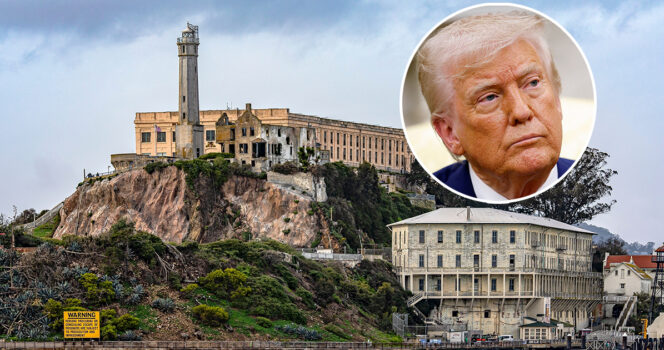
In a recent post on Truth Social, former U.S. President Donald Trump expressed his opinion about potentially reopening Alcatraz, the historic prison off the coast of San Francisco that closed in 1963 and is now a national park. While the statement garnered media attention and public debate, it is important to clarify that this comment reflects Trump’s personal views and has not been proposed as an official policy or government action. This article examines the context of his remarks, the feasibility of reopening Alcatraz, and the response from public officials and experts.
The History of Alcatraz: From Maximum Security to National Park
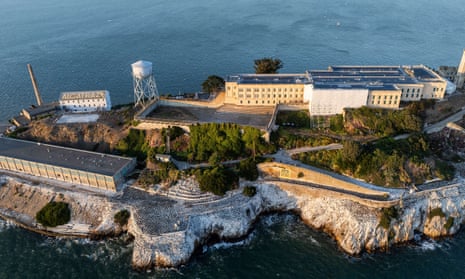
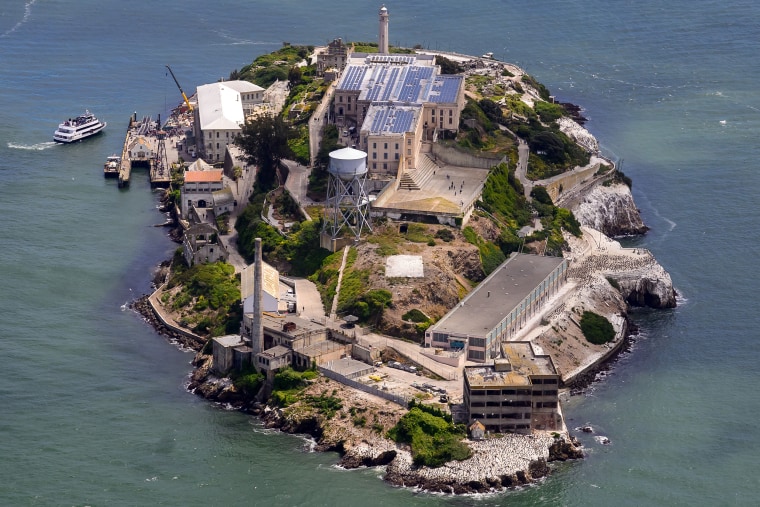
Alcatraz has a long and storied history. Located on a small island in San Francisco Bay, the prison first opened in 1934 and was known for housing some of the most dangerous criminals in the U.S., including Al Capone and George “Machine Gun” Kelly. The prison closed its doors in 1963 due to escalating maintenance costs and the challenges of maintaining its deteriorating infrastructure.
Today, the island is managed by the National Park Service (NPS) and has become one of San Francisco’s top tourist destinations. Visitors come to Alcatraz to explore the well-preserved cells, learn about its history, and hear the infamous stories of escapes. Alcatraz remains a symbol of the U.S. penal system, but its current role as a national park and tourist attraction makes its potential repurposing as a prison a subject of significant debate.
Trump’s Comments on Alcatraz: A Speculative Proposal?
In his Truth Social post, Trump shared his frustration with rising crime rates and the state of law and order in the United States. He expressed the belief that Alcatraz could be reopened and expanded to house violent offenders as part of his broader vision for criminal justice reform.
Trump expressed strong views about violent repeat offenders, describing them in harsh terms and suggesting that a high-security facility like Alcatraz could be symbolically repurposed to deal with serious criminal cases. His remarks did not include specific plans or legal backing, and no formal steps have been taken to pursue this idea.
Trump’s statement, though provocative, reflects his stance on law enforcement and criminal justice, but it is not yet clear whether any formal steps will be taken to turn this idea into reality. There has been no official government action or announcement to support this claim, and the logistical challenges of repurposing Alcatraz would be substantial.
Legal and Practical Concerns
While the idea of reopening Alcatraz has garnered attention, experts and local leaders are raising significant concerns about its feasibility. Alcatraz is currently a National Park under the management of the National Park Service (NPS), and any plan to convert it back into a prison would require extensive legal and logistical changes.
The Bureau of Prisons has not issued any statements indicating they are pursuing such a plan, and a spokesperson confirmed that they would comply with Presidential orders but did not comment on whether the idea of reopening Alcatraz is logistically feasible or whether it has been formally considered【Source: Associated Press】.
Local Leaders Criticize the Proposal
The idea of reopening Alcatraz has sparked significant criticism, especially from local leaders in San Francisco. Democratic Congresswoman Nancy Pelosi, whose district includes Alcatraz Island, has been outspoken in her response. In a post on X (formerly Twitter), she described the proposal as “not a serious one,” emphasizing that Alcatraz is now an important national park and tourist attraction.
Pelosi pointed out that the primary function of Alcatraz today is to educate the public about the history of the American penal system. Converting it back into a high-security facility would fundamentally change the character of the site and its role as an educational resource【Source: Politico】.
Trump’s Broader Approach to Criminal Justice
Trump’s comments about Alcatraz are part of a broader strategy to address the rise in crime and his views on immigration policy. He has proposed several controversial measures, including transferring accused gang members to a maximum-security prison in El Salvador and creating a new detention facility at Guantanamo Bay for what he calls “the worst criminal aliens.”
While these ideas have stirred significant debate, they have not been implemented, and the human rights implications of such policies remain a topic of discussion.

Is Reopening Alcatraz a Viable Solution?
While Donald Trump’s comments about reopening Alcatraz have generated interest, it remains unclear whether the plan is practical or feasible. The prison’s historical significance, coupled with the challenges of refurbishing its aging infrastructure, makes this a speculative and unverified idea at best. Moreover, the current role of Alcatraz as a National Park further complicates the notion of converting it back into a federal prison.
The debate surrounding the proposal reflects broader concerns about the direction of criminal justice reform in the United States. While some support Trump’s tough stance on crime, others advocate for comprehensive reforms that prioritize rehabilitation, mental health care, and restorative justice over punitive measures.
Trump’s comments have ignited conversation about criminal justice policy and the symbolism of historic institutions like Alcatraz. However, there is no indication from the Bureau of Prisons, the Department of Justice, or any federal agency that such a plan is under consideration. Local officials and preservation advocates have also voiced strong opposition to altering Alcatraz’s current role. As of now, the suggestion remains a personal viewpoint with no actionable steps toward implementation.
Sources:
- National Park Service – Alcatraz Island History
- Politico – Pelosi Criticizes Trump’s Alcatraz Proposal
- Associated Press – Bureau of Prisons Response
- Reuters – Trump’s Guantanamo Bay Detention Proposal