
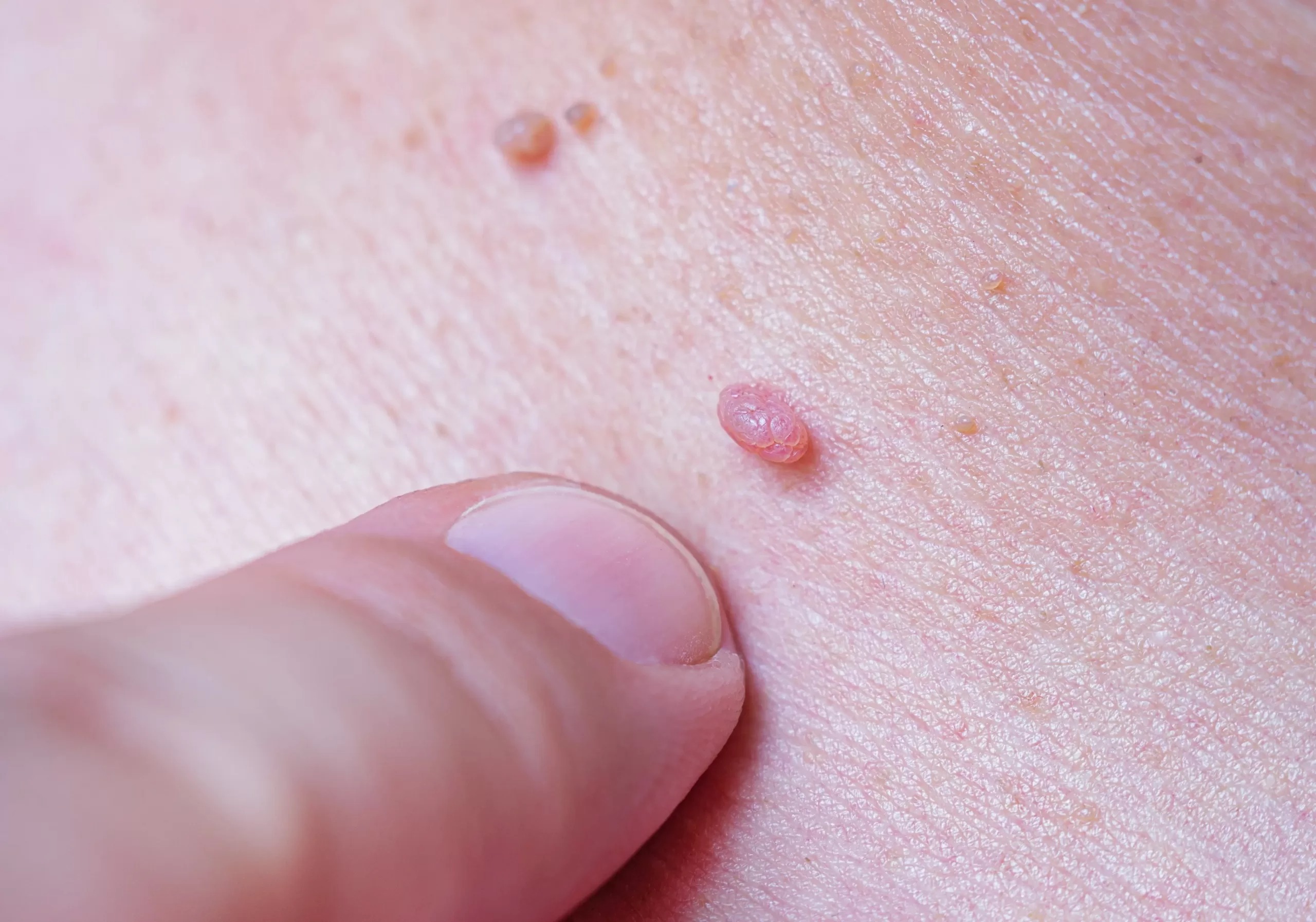
Human papillomavirus (HPV) is one of the most common viral infections globally. It affects the skin and mucous membranes and is primarily transmitted through skin-to-skin contact, particularly during sexual activity. While most HPV infections resolve on their own without causing symptoms, certain high-risk strains can lead to serious health complications, including various types of cancer.
This article offers a comprehensive, evidence-based overview of HPV, including its classification, transmission, health risks, detection methods, and available vaccines, supported by information from WHO, CDC, and FDA.
What is HPV?
Human papillomavirus (HPV) refers to a group of more than 200 related viruses, according to the Centers for Disease Control and Prevention (CDC). These viruses infect human skin and mucous membranes and are typically categorized based on their associated health risks:
- Low-risk HPV types: These can cause warts on the hands, feet, or genitals, but they are rarely linked to cancer.
- High-risk HPV types: These have the potential to cause cervical, anal, penile, vaginal, vulvar, and oropharyngeal (throat) cancers.
(Source: CDC – HPV)

How is HPV Transmitted?
HPV is primarily transmitted through sexual contact, including vaginal, anal, and oral sex. It can also be spread through skin-to-skin contact with an infected person. Most people who become infected with HPV do so shortly after becoming sexually active, and approximately 80% of sexually active individuals will contract the virus at some point in their lives.
Even individuals with only one sexual partner can be exposed, and symptoms may not appear for months or years. This makes it difficult to know when or from whom the infection was acquired.
(Source: World Health Organization – HPV)
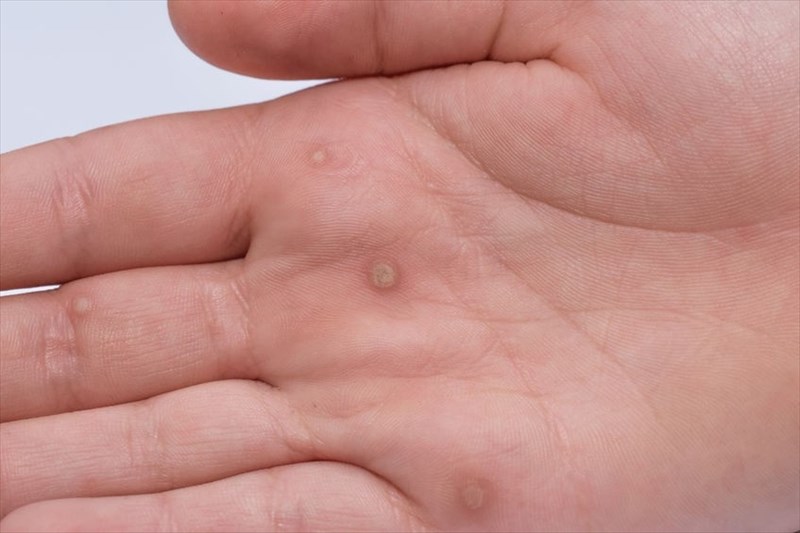
Types of HPV-Related Lesions
HPV can lead to various types of lesions, depending on the virus strain. These include:
- Common Warts
- Typically caused by HPV types 2 and 4.
- Appear on hands and fingers.
- Flat Warts
- Caused by types 2, 3, and 10.
- Usually affect the face or legs.
- Plantar Warts
- Caused by types 1, 2, and 4.
- Found on the soles of the feet.
- Genital Warts
- Commonly caused by HPV types 6 and 11.
- These are low-risk types, but may recur.
- High-risk Lesions and Cancers
- Most often linked to HPV types 16 and 18.
- These types are responsible for about 70% of cervical cancer cases worldwide.
(Source: National Cancer Institute)

Cancer Risks Associated with HPV
According to the WHO, HPV is responsible for more than 95% of cervical cancer cases globally. Additionally, high-risk HPV types contribute to:
- Anal cancer
- Oropharyngeal cancer
- Penile cancer
- Vaginal and vulvar cancers
Persistent infection with high-risk types of HPV can lead to precancerous lesions, which, if undetected or untreated, may progress to invasive cancer over time.
(Source: WHO – HPV and Cancer)
Detection and Diagnosis
For Women
The most common and accessible methods for identifying HPV-related changes are:
- Pap Smear (Pap Test):
Detects abnormal cervical cells that may develop into cancer. - HPV DNA Testing (approved by the FDA):
Identifies the presence of high-risk HPV types in cervical cells.
(Source: FDA – HPV Testing)
For Men
Currently, there are no FDA-approved tests for detecting HPV in men. Diagnosis in men is usually based on visual examination of genital warts or biopsies of suspicious lesions. Research is ongoing to develop reliable testing methods for the male population.
(Source: CDC – HPV Testing)

Prevention: The Role of HPV Vaccines
The most effective way to prevent HPV infection is vaccination. There are currently three types of vaccines available:
- Bivalent (Cervarix) – Protects against types 16 and 18.
- Quadrivalent (Gardasil) – Protects against types 6, 11, 16, and 18.
- 9-valent (Gardasil 9) – Offers broader protection, covering nine HPV types, including 6, 11, 16, 18, 31, 33, 45, 52, and 58.
The CDC recommends vaccination for all children aged 11–12 years, though it can be started as early as age 9. Catch-up vaccines are also available for people up to age 26, and in some cases, up to age 45 based on individual risk factors.
(Source: CDC – HPV Vaccine Recommendations)
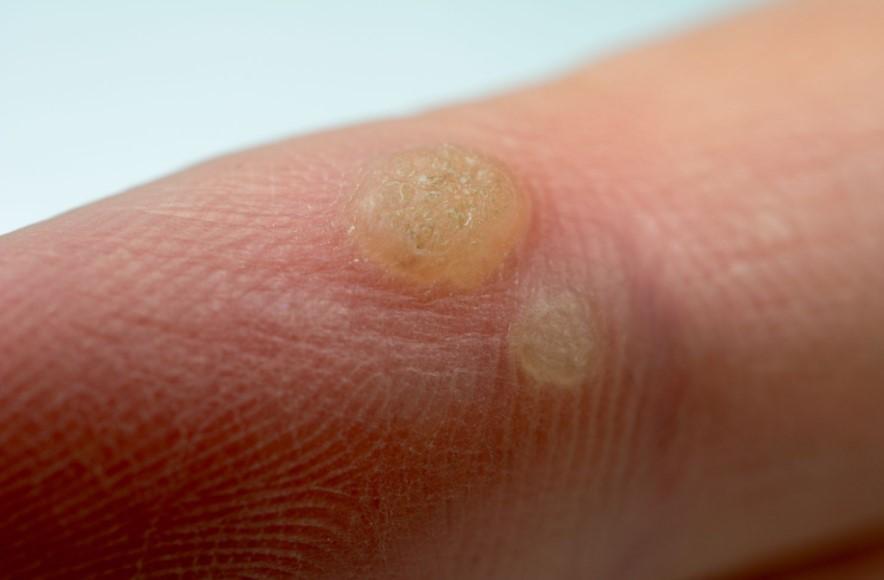
Treatment Options
There is no antiviral medication that eliminates HPV from the body. Most infections resolve naturally as the immune system clears the virus. However, treatment is available for symptoms and lesions, including:
- Topical medications (e.g., salicylic acid or imiquimod)
- Cryotherapy (freezing)
- Laser therapy
- Surgical removal for persistent or high-risk lesions
Treatment aims to remove visible lesions and reduce the risk of complications, but recurrence is still possible, especially in cases of genital warts.
(Source: Mayo Clinic – HPV)
HPV and Pregnancy
Most HPV infections do not pose a risk during pregnancy, and complications are rare. However, if genital warts are present and obstruct the birth canal, a cesarean delivery may be recommended.
The CDC emphasizes that pregnant individuals with HPV should consult with their obstetrician or gynecologist for appropriate monitoring and care.
(Source: CDC – HPV and Pregnancy)
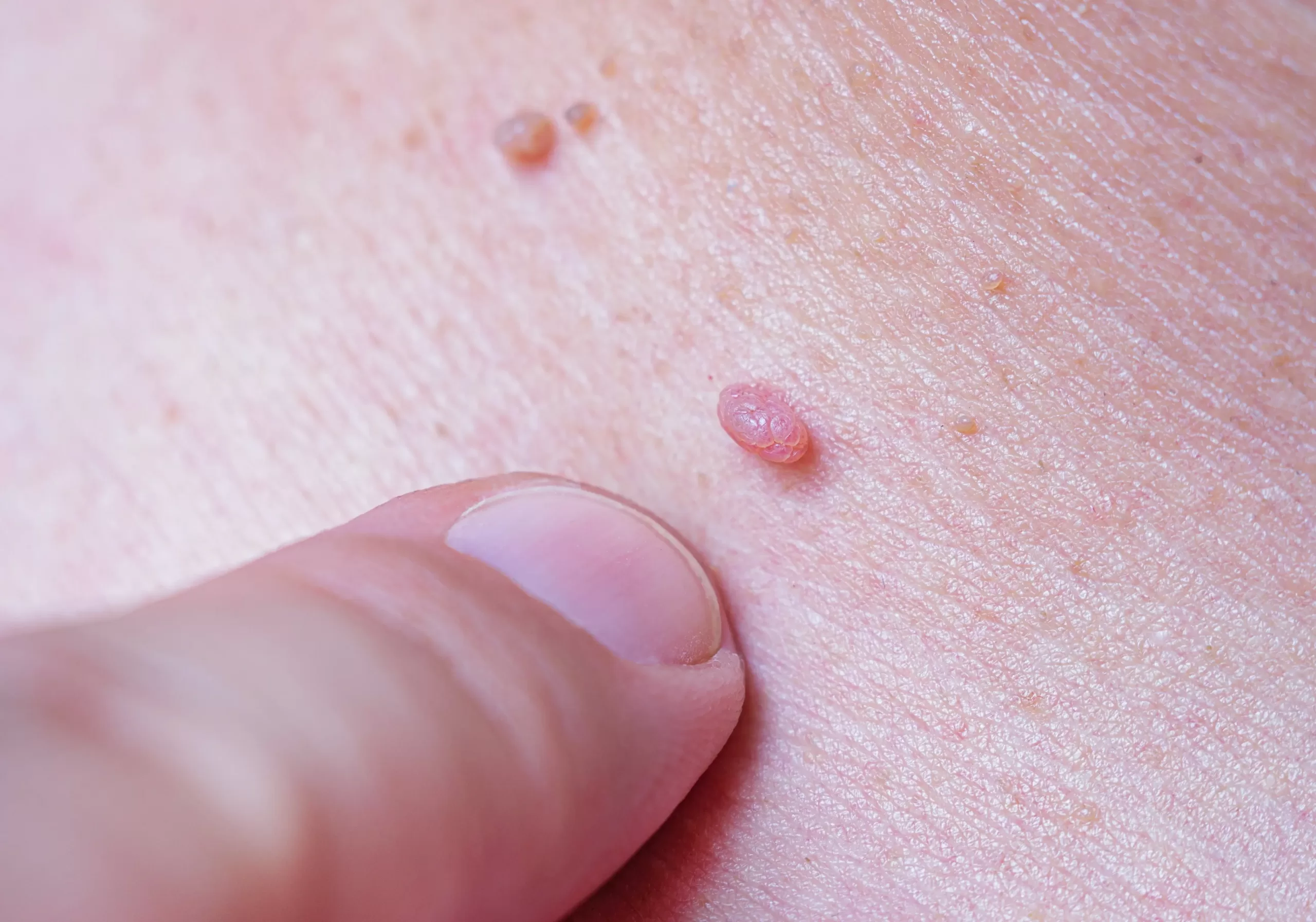
Conclusion
HPV is a common yet preventable virus that can lead to a range of health outcomes—from benign warts to serious cancers. Through vaccination, regular screening, and public education, individuals can significantly reduce their risk of HPV-related diseases.
Maintaining open conversations about HPV, getting vaccinated, and undergoing recommended screenings are key steps toward safeguarding both individual and public health.
For the most accurate and up-to-date information, consult official resources such as:
- Centers for Disease Control and Prevention (CDC)
- World Health Organization (WHO)
- U.S. Food and Drug Administration (FDA)