

A poignant moment from the public immigration debate in 2017 has resurfaced, where Holocaust survivor Bernard Marks delivered an emotional and compelling speech in opposition to the immigration policies advocated by then-Immigration and Customs Enforcement (ICE) Director Thomas Homan. In this heartfelt address, Marks, who survived the atrocities of Auschwitz and Dachau concentration camps, made a powerful connection between historical injustices and contemporary immigration enforcement.
Bernard Marks’ Background and Advocacy for Justice
Bernard Marks was a Holocaust survivor who endured the horrors of Nazi concentration camps during World War II. Born in Poland, Marks was only a child when his family was torn apart by the atrocities of the Holocaust. He lost his entire family during the genocide orchestrated by the Nazi regime, a tragic experience that shaped his lifelong commitment to advocacy for justice and remembrance.
Throughout his life, Marks was a staunch advocate for human rights and education, ensuring that future generations would learn about the atrocities of the Holocaust so that such crimes could never be repeated. Marks also became a vocal critic of political movements that, in his view, targeted specific groups based on their identity, echoing the discrimination he had witnessed in his youth.
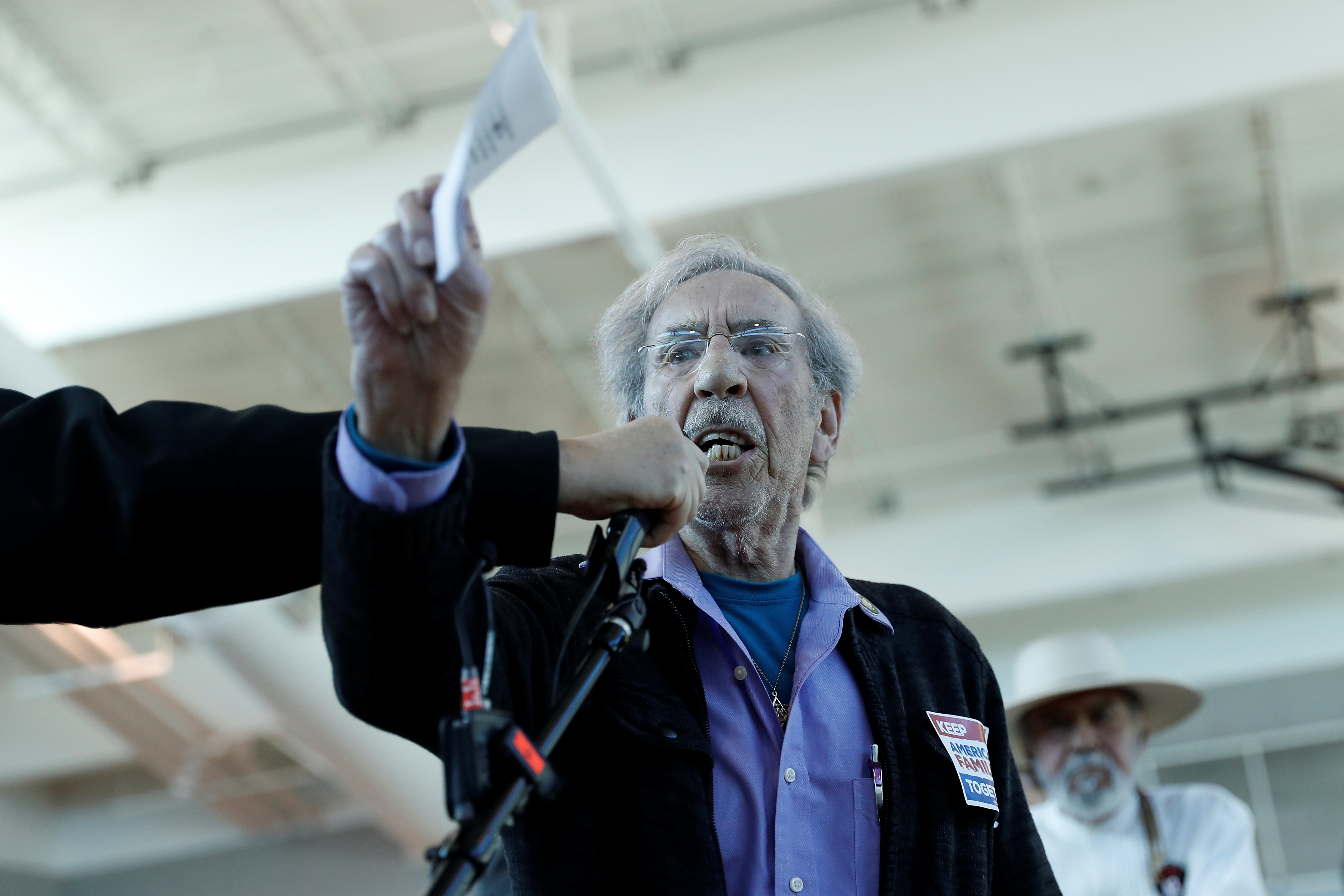
The Resurfaced 2017 Clip: A Call for Compassion
The powerful clip of Bernard Marks resurfaced amid ongoing discussions about immigration policy in the United States. In this moment, Marks addressed a public gathering, directly confronting Thomas Homan, the Director of ICE under the Trump administration, who was known for his controversial stance on immigration enforcement.
During the discussion, Marks stood alongside the “Keep American Families Together” campaign, which opposed the separation of families at the U.S.-Mexico border. Wearing a “Keep American Families Together” sticker, Marks delivered an emotional statement about the dangers of targeting vulnerable populations and the implications of policies that led to family separations.
“History is not on your side,” Marks warned Homan and the audience, drawing a direct parallel between the current immigration policies and the targeting of individuals based on their identity during the Holocaust.
Marks emphasized the importance of recognizing the human impact of immigration enforcement. He pointed out that the systematic targeting of individuals, especially those from marginalized communities, had tragic consequences in history, and he urged lawmakers and enforcement officials to reflect on the lessons of the past.

Drawing Parallels: The Holocaust and Modern Immigration Policies
Bernard Marks’ speech was particularly powerful because of the deeply personal connection he made between the current immigration policies and the injustices he had lived through. He made it clear that the deportations and family separations taking place at the U.S.-Mexico border were not isolated events but were part of a larger pattern of discriminatory actions that had historically led to widespread suffering.
Marks, who spent five and a half years in concentration camps, reflected on the trauma of being targeted as a child because of his Jewish identity. He drew a direct comparison between the dehumanization of Jewish people during the Holocaust and the treatment of immigrants and refugees today. His words struck a deep chord with those in attendance, as he urged Sacramento Sheriff Scott Jones to refrain from assisting federal authorities in deportation initiatives.
“I spent five and a half years in concentration camps because we targeted individuals,” Marks stated, underscoring the devastating impact of policies that singled out groups of people based on their identity.
His message was not just about the past; it was a plea for present-day policymakers to reconsider their actions and the long-term impact they could have on immigrant families and human rights. Marks’ call for compassion and justice highlighted the importance of addressing the root causes of migration, rather than simply focusing on enforcement.

Marks’ Legacy: A Commitment to Education and Remembrance
Bernard Marks passed away in 2018 at the age of 89. However, his legacy as an advocate for justice and education continues to resonate. Throughout his life, he worked tirelessly to ensure that the world would never forget the lessons of the Holocaust. He frequently spoke to schools, community organizations, and advocacy groups, sharing his story to promote understanding and prevent future atrocities.
Marks believed that the education of future generations was key to preventing hate and discrimination. He emphasized the importance of remembering the past, not just as a historical exercise, but as a moral imperative that informs the choices we make in the present. His advocacy extended beyond just the Jewish community—he was a staunch supporter of human rights and the protection of marginalized groups everywhere.
In his final years, Marks continued to speak out about the dangers of intolerance, often tying his personal experiences to broader global human rights issues. His message was clear: we can create a better future by learning from the mistakes of the past and embracing compassion, understanding, and justice for all.

The Continuing Relevance of Marks’ Message
Marks’ warning about the dangers of targeting individuals based on their identity has gained renewed attention as immigration debates continue to rage in the United States and around the world. His words serve as a reminder that history has a way of repeating itself if we fail to learn from the past. In the context of current immigration enforcement policies, his message about the importance of compassion and humanity remains as relevant as ever.
As the U.S. grapples with immigration reform, the separation of families at the border, and the treatment of refugees, Marks’ call to action serves as a poignant reminder of the moral responsibility we all share to protect the dignity of every human being. His life and work remain an inspiration for those fighting for justice and for those who believe in the power of compassionate immigration policies.

Conclusion: Remembering Bernard Marks’ Legacy and Impact
The emotional stand taken by Bernard Marks in 2017 serves as a powerful reminder of the need for compassion and humanity in the face of immigration challenges. Marks’ words—“History is not on your side”—echo across time, urging us to remember the lessons of the past and to avoid repeating the mistakes that led to the suffering of so many.
As we continue to address immigration issues and human rights, it is crucial to remember the legacy of individuals like Bernard Marks, who not only survived the horrors of the Holocaust but also worked to ensure that the world would never forget the lessons of that dark time. Marks’ message of tolerance, justice, and education is one that must continue to resonate in our efforts to build a better, more compassionate world.
Sources:
- The United States Holocaust Memorial Museum
- The Sacramento Bee – Immigration Debate Coverage
- PBS – Bernard Marks and Holocaust Education